
Anacortes staff proposes streamlined permits; recommends moving most quasi‑judicial decisions to hearing examiner
Get AI-powered insights, summaries, and transcripts
Subscribe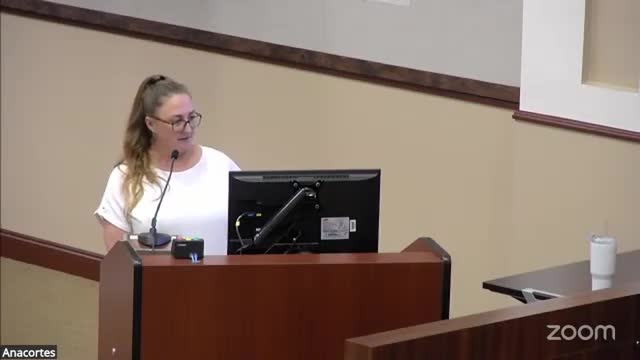
Summary
City planning staff told the Planning Commission Sept. 10 that proposed updates to Title 19 would shorten administrative steps for many building permits, shift more contested land‑use decisions from the Planning Commission to a contracted hearing examiner and reconsider local shoreline appeals.
Anacortes planning staff on Sept. 10 proposed a package of development‑regulation changes designed to speed some permit reviews and reduce legal risk by shifting many quasi‑judicial land‑use decisions to a hearing examiner.
The proposal would reclassify certain shoreline substantial development permits as a Type 2 administrative decision, leave shoreline conditional‑use and variance permits to a Type 3 hearing‑examiner process, and give the planning director discretion to require pre‑application neighborhood meetings rather than mandating them for lower‑level applications.
The change matters because the city’s Unified Development Code (Anacortes Municipal Code Title 19) currently ties different application types to different processes — Type 1 (ministerial), Type 2 (administrative), Type 3 (hearing examiner or Planning Commission) and Type 4 (City Council). Under the draft, many matters that now go to the Planning Commission in a quasi‑judicial role would instead be decided by a hearing examiner, with appeal routes retained to higher authorities where required.
Planning Manager Libby Grama told commissioners the shift is motivated by state law, risk management and the desire for a clearer, more predictable process. “It is no longer common for planning commissions to do quasi judicial decisions,” Grama said, explaining that contracted hearing examiners and city attorneys reduce liability for individual commissioners and the city.
Grama described the typical Type 2 procedure: notice of application, a 14‑day written comment period, a director decision and a local appeal to the hearing examiner. For Type 3 matters she said a 21‑day comment period and an open‑record hearing are required; shoreline permits have a 30‑day state notification requirement. She also emphasized that even where the pre‑application/neighborhood meeting would become discretionary, public notice and a formal public comment period remain part of the review for Type 2 applications. “We don’t want to put the applicant through the ringer of having a neighborhood meeting or a pre application meeting, but we still have it,” Grama said, describing staff’s intent to balance notice with efficiency.
Commissioners asked how the changes would affect timelines, fees and public access to appeal. Grama said the city contracts with a hearing examiner and that some costs are currently billed to applicants; she said the city would evaluate fee adjustments if the proposal is adopted. On shoreline permits, staff flagged that a local appeal to City Council adds roughly two weeks before the city can forward a permit to the Department of Ecology and then begin the state’s shoreline appeal period. Commissioners discussed whether the city should eliminate the local appeal for shoreline permits because state appeals to the Shorelines Hearings Board would still be available.
Staff directed that more details and formal recommendations would return to the commission at upcoming special meetings and in the public packet. Grama said staff expects to publish a consolidated red‑line of proposed Title 19 amendments within days and planned a special meeting Sept. 17 to continue deliberations; Transpo (transportation consultant) will present street‑standard changes Sept. 24.
No final legislative action was taken Sept. 10; staff will bring fee, procedural and draft language clarifications back for further review and formal recommendation.
Why it matters: moving contested land‑use decisions to a hearing examiner could speed scheduling and create a single, legally vetted adjudicative process, but it also shifts costs (contract hearing examiner fees) and removes some public‑facing decision opportunities from the volunteer Planning Commission.
Next steps: staff to publish red‑line edits to Title 19, return with fee and implementation implications and present Division 5 (community design/streets) on Sept. 24.