Get Full Government Meeting Transcripts, Videos, & Alerts Forever!
Get email alerts on the Transit Economics topic
No spam. Unsubscribe anytime.
Forward Pinellas and PSTA approve scope for economic impact analysis of transit investments
Summary
The board approved Sept. 10 a scope and fee for an economic analysis of transit investments and the soon‑to‑be‑implemented connected community bus network; Forward Pinellas will contribute about $75,500 and PSTA will share the remainder for a combined contract with HDR.
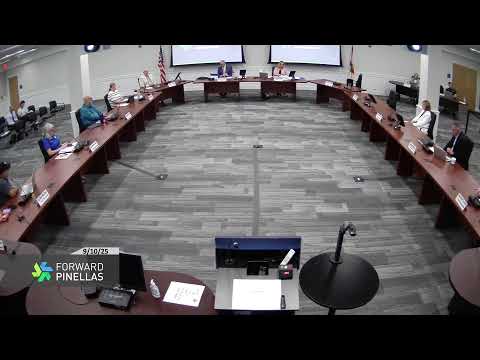
Forward Pinellas and the Pinellas Suncoast Transit Authority (PSTA) will jointly fund an economic impact analysis of transit investments after the Forward Pinellas board approved a scope and fee on Sept. 10.
Nosheen Ramon, principal planner at Forward Pinellas, presented a proposed scope with HDR as consultant and said the total project cost is not to exceed $151,100; Forward Pinellas' share is roughly $75,500. The analysis will measure economic and transportation benefits for nine priority investment corridors in the MPO’s investment‑corridor framework and will include before‑and‑after comparisons of existing and future transit services, including the Sunrunner BRT corridor and the October implementation of the connected community bus network.
Ramon said the study will use return‑on‑investment and cost‑benefit methodologies to quantify access to jobs, housing and education, and potential impacts on property values. PSTA’s planning director, Nicole Dufa, attended the meeting and Ramon said PSTA will be an equal project partner and cost‑share participant. The board moved, seconded and approved the scope and fee; staff said the analysis can serve as a baseline for future corridor‑level economic evaluations.
Why it matters: the analysis is intended to quantify economic returns of transit investments and to support data‑driven planning and funding decisions for transit service changes and corridor investments. Staff suggested the analysis could be updated periodically to track impacts over time.