Get Full Government Meeting Transcripts, Videos, & Alerts Forever!
Get email alerts on the Housing Affordability topic
No spam. Unsubscribe anytime.
Candidates say city must push for affordable units and stronger tenant protections in new developments
Summary
Forum candidates discussed housing affordability, parking, and tenant rights in the context of multiple projects proposed across the city, urging more intentional design, inclusion of affordable units, and protections for renters.
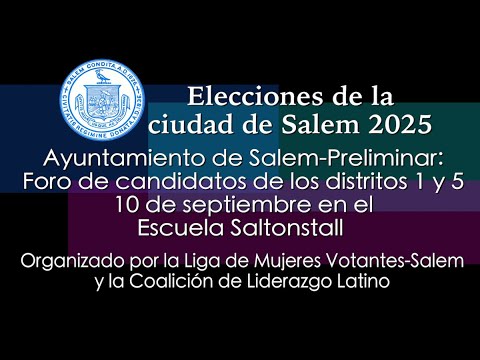
At the candidates’ forum for City Council districts 1 and 5, candidates addressed the city’s housing shortage and debated how to ensure new development produces genuinely affordable units while preserving neighborhood character and tenant rights.
Why it matters: Candidates described an ongoing housing shortage and said the city must be proactive in shaping development so that new units remain accessible to residents who work in the area and to protect existing tenants from displacement.
Discussion points: Candidates emphasized different approaches to affordability and parking: some proposed mixed-use development with reduced parking minimums to lower costs; others said developers must meet the city’s inclusion guidelines and offer local tenant preference. Several candidates warned against allowing short‑term rentals to remove long‑term housing supply.
Erin Turowsky (candidate, District 1) explained how affordability is measured by area median income and argued developers seek profit; she said the city must set clear targets for affordable units and oversight to ensure long‑term quality and tenant protections.
Other candidates discussed minimum parking allocations and mixed-use design as ways to increase supply without overwhelming neighborhood parking. Candidates agreed that oversight is necessary to keep units high quality and preserve tenants’ rights.
Ending: Candidates urged early planning engagement with developers, regular enforcement of city affordability guidelines, and continuing dialogue with neighborhood associations.