Get Full Government Meeting Transcripts, Videos, & Alerts Forever!
Get email alerts on the Hazardous Waste topic
No spam. Unsubscribe anytime.
Board approves 2025 household hazardous waste collection day after debate over costs and recyclables
Summary
Supervisors authorized the county to proceed with a household hazardous waste collection event tentatively scheduled for Nov. 1, 2025, while members debated line-item costs for items such as mercury, propane cylinders and lead-acid batteries and discussed potential local recycling offsets.
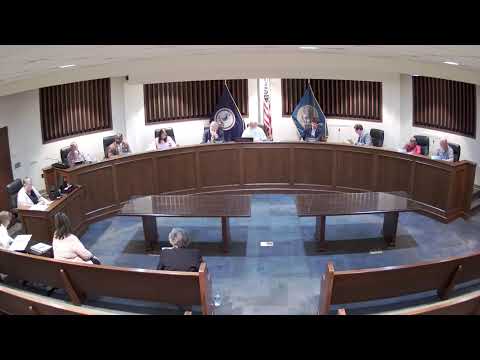
Prince Edward County supervisors authorized staff to proceed with a household hazardous waste collection event tentatively scheduled for Nov. 1, 2025, after reviewing a vendor quote that exceeded the county's $20,000 purchasing threshold and required board approval.
County staff said the vendor estimate is based on anticipated materials; last year 91 residents used the service. Several supervisors and members of staff discussed specific line items in the vendor quote, including a $1,950 line for a single 5-gallon pail of mercury, a $706 line for propane cylinders and a $225 line for lead-acid batteries. Supervisor commentary noted that some items (for example, lead-acid automotive batteries) can be recycled locally and have a scrap value (quoted in the meeting as about $0.32 per pound), so the county could set those items aside and avoid some charges.
Staff confirmed that the actual charge will be based on the materials received at the event and that last year some materials such as mercury thermometers were turned in through the health department. The county indicated it may separate recyclable streams—such as lead-acid batteries—for local processing and will work with the vendor and county staff (including the solid-waste coordinator) to limit avoidable charges where possible. Supervisors voted to authorize the quote and proceed; board members said the event prevents hazardous materials from entering the landfill or stormwater system.
The transcript shows discussion about which materials the vendor will accept and whether certain items belong to private owners (for example, compressed gas cylinders that must be returned if traceable). Board members also asked staff to clarify future estimates so routine recyclable streams are not charged unnecessarily. The motion to proceed passed by recorded vote.