Get Full Government Meeting Transcripts, Videos, & Alerts Forever!
Get email alerts on the Child Welfare Adoption topic
No spam. Unsubscribe anytime.
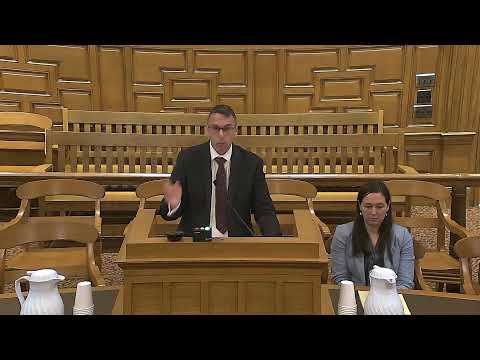
Appeals court hears arguments over post‑adoption virtual contact in DCF case
Summary
Department of Children and Families v. Mother and Others — Appeals argument considered whether a trial court erred by declining to order post‑adoption virtual contact between an incarcerated father and three children placed in a kinship home in Puerto Rico.
Department of Children and Families v. Mother and Others — The appeals panel considered whether the trial court abused its discretion by declining to order post‑termination and post‑adoption contact between an incarcerated father and three children placed in a kinship (pre‑adoptive) placement in Puerto Rico.
Counsel for the father argued the children have a positive, bonded relationship with their father and had repeatedly asked the trial court to preserve at least an option for periodic virtual contact (for example, during birthdays or holidays). The father’s lawyer said the foster parents and DCF had failed to maintain virtual contact consistently in the past and that an enforceable court order would protect the children’s ability to keep a relationship with their father after adoption is finalized.
The attorney representing the children told the panel she had become comfortable advocating that the children at minimum should have an option for virtual contact later and that, absent an order, there is no guarantee adoptive caregivers will provide the children the opportunity to choose contact. The children’s counsel emphasized the children are older now and that their wishes could change; an order would preserve the option. The Department of Children and Families argued the trial court appropriately balanced the competing interests and that the record—showing intermittent incarceration, a history of domestic violence, long gaps in contact and the parents’ overall unfitness—supports leaving post‑adoption contact decisions to the adoptive caregivers.
The panel questioned whether the juvenile court’s finding of a bond required a post‑adoption contact order, and whether the statutory procedure allows the children to seek a pre‑finalization review in the juvenile court. DCF noted that while an adoption is pending, a party can seek judicial review under Section 26 of the juvenile code; the department argued the trial court reasonably declined to impose a court-ordered visitation plan that could intrude on adoptive parents’ authority. The court reserved decision and said it would review the record on the bond, the children’s expressed wishes, and the statutory framework governing post‑adoption contact.