Get Full Government Meeting Transcripts, Videos, & Alerts Forever!
Get email alerts on the Forfeiture Procedure topic
No spam. Unsubscribe anytime.
Appeals argument probes procedure for property forfeiture and scope of ‘public interest’ under G.L. c.276
Summary
Commonwealth v. Robert Iverson — Appellate argument centered on statutory procedure and the scope of discretionary forfeiture under G.L. c.276 after a guilty plea to firearms offenses.
Commonwealth v. Robert Iverson — The Appeals Court heard extended argument over statutory procedure and discretionary forfeiture of non-firearm items after Robert Iverson pleaded guilty to multiple firearms offenses. Appellant’s counsel argued that the trial court failed to afford statutory and constitutional procedural safeguards described in recent Supreme Judicial Court guidance (Commonwealth v. James) — including adequate advance notice and a show-cause process — and that forfeiture of items not described in the warrant (and not inherently contraband) exceeded the court’s discretion.
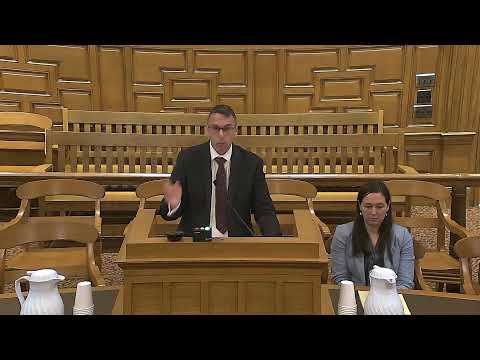
Attorney Robert DiOria for Iverson said the Superior Court relied on written submissions and police reports rather than a full evidentiary hearing with live testimony and cross-examination. He said that, after James, defendants facing forfeiture under G.L. c.276 must be given procedural protections that can include notice under seal, an opportunity to present witnesses, and an available jury trial right tied to Article 15 procedures. DiOria pressed whether the statute and related case law required written waiver of any jury-related protections and argued that the judge’s public-interest finding (to forfeit collectible items including a Confederate flag and a Nazi helmet) was an abuse of discretion absent more targeted findings.
Assistant District Attorney Jamie Michael Charles (Middlesex) told the panel that the trial judge properly exercised discretion under the statute and that certain firearms and related accoutrements were properly forfeit; the Commonwealth also emphasized recorded jail calls and other material in the lower-court record showing the defendant indicated intent to rearm and to harass victims if released. The Commonwealth argued that those calls supported the judge’s finding that some items should not be returned and that the record did not show prejudice that would require reversal. A stay of execution of the forfeiture order was reported as in place pending appeal.
The court questioned lawyers about the text of G.L. c.276 §§3–8, the interplay with criminal procedural rules, the availability of jury trial rights, and the standard for judicial findings of “public interest.” Counsel debated whether items seized in plain view but not listed in the warrant (e.g., memorabilia or noncontraband paraphernalia) are properly subject to forfeiture. The panel took the matter under advisement.