Get Full Government Meeting Transcripts, Videos, & Alerts Forever!
Get email alerts on the Hotel Occupancy Tax topic
No spam. Unsubscribe anytime.
Bandera council allocates limited hotel-occupancy tax funds to five events
Summary
The Bandera City Council approved distribution of the city's hotel-occupancy tax grant pool among five applicants, adopting a set of smaller awards after discussion about policy limits and past allocations.
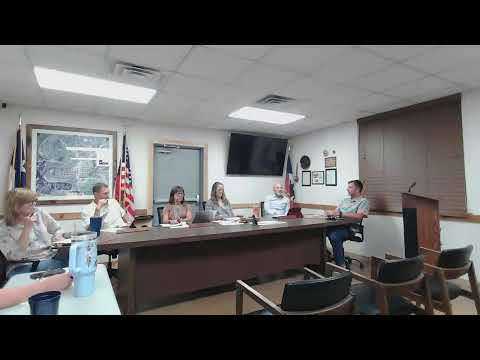
The Bandera City Council on a unanimous vote approved a package of hotel-occupancy tax reimbursements that divides the council's available grant funds among five applicants. The council voted to award Writing on Faith $5,250; National Day of the Cowboy $1,000; Cowboys on Main $10,000; a pro rodeo weekend event $4,000; and a Labor Day weekend event $22.50, with all five council members voting in favor. Mayor Denise Griffin presided over the decision. Why it matters: The council said it is following a March 2024 direction to reserve roughly half of the city's annual hotel-occupancy tax pool for city-initiated projects and to use the remainder for community grant requests. That previous decision and an internal 25% per-application guideline shaped how councilors sized awards. The discussion: Council members and staff debated whether to split the available funds evenly, to allocate proportionally based on each applicant's ask or past expenses, or to fund one application fully and supplement others via the Bandera Economic Development Corporation. Council member Debbie proposed a recommended split and moved the motion; Council member Brett Hicks seconded. Council members emphasized budget limits and that the city had set aside roughly half the available HOT (hotel-occupancy tax) money for municipal projects. Staff noted that the city had previously reserved $45,000 total and that half of that was being targeted for outside grant awards. Council members also reviewed prior reimbursements from the Bandera Economic Development Corporation and raised questions about applicants' documentation and the relationship between EDC and city funding. Dissent and safeguards: Councilors discussed policy limits that bar awarding more than 25% of the total pool to a single application and noted that some applicants submitted multiple requests; staff reminded the council the guideline applies per application rather than per organization. Several council members asked staff to follow up with applicants about use of funds and any tourist-charging practices reported by members of the public. Outcome and next steps: The motion listing the five awards passed unanimously. Staff will prepare the paperwork to disburse the city funds and follow up with applicants if clarification of receipts or venue details is needed. The council also discussed that applicants could pursue additional funding from the EDC as a supplement.