Get Full Government Meeting Transcripts, Videos, & Alerts Forever!
Get email alerts on the Police Shooting Justice topic
No spam. Unsubscribe anytime.
Residents press Erie County Council for action after parole-officer shooting of Marcello Woodard
Summary
Dozens of residents urged Erie County Council on Sept. 9 to take concrete steps—including victim outreach, mental-health services and changes to probation oversight—after the July 2 shooting death of Marcello Woodard by a parole officer. Council members pledged some follow-up but made no formal policy decision at the meeting.
Dozens of Erie residents told the County Council on Sept. 9 they want immediate outreach and services for the family and community after the July 2 shooting death of Marcello ("Cello") Woodard by a parole officer.
Speakers at the council meeting said the silence from elected officials and law-enforcement agencies has deepened community mistrust and left family members without support. “We have been begging for justice. We’re begging for help. We’re begging for resources,” said Deonte Cooley, identifying himself as a lifelong resident. “You all just sit and stare at us.”
The speakers tied calls for justice to several concrete requests: that elected officials reach out to the Woodard family and offer counseling and other services; that the county consider greater transparency about investigations involving law-enforcement personnel; and that county probation officers be equipped with body cameras. “We need help. I don’t know how we can keep coming down here explaining it,” said Malcolm Pulliam, who said the shooting was “day 69” since July 2. “Please offer some type of resources for us in the community to make us feel safe.”
Several family members and community advocates spoke at length. Shamelle Henderson, who identified herself as Marcello Woodard’s girlfriend, said she has received no outreach and pleaded for help: “I don’t know who to turn to. I just need some type of help,” she said. Shamir Henderson, who described a separate experience with the Erie Human Relations Commission, said he had been offered a settlement he did not accept and later was told there was no discrimination found; he called that outcome “shame on you, Tom.” Dr. Suzanne Kuligowski framed the requests as a question about the county’s commitment to the pledge of “liberty and justice for all”: “Are you upholding that?” she asked.
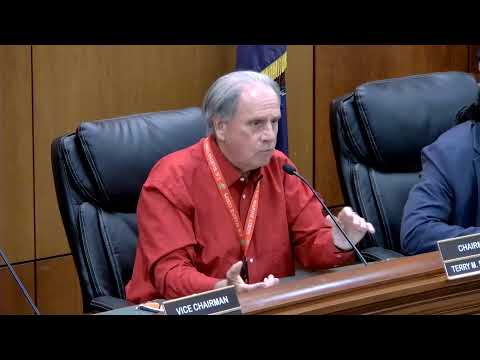
Council members responded during the meeting with a mix of empathy and procedural explanations. A council member identified in the transcript as Mr. Orp said he would “commit to reaching out to Miss Henderson and her family to try to provide a lead to those services.” The same council member urged that the county executive include funding for body cameras for juvenile and adult probation officers in the upcoming budget proposal; he said he would fight for votes to support that change if the county executive proposes it.
Other council members described limits to the council’s authority. One member noted that the county council’s two formal functions are policy and budget, and that some investigative or personnel steps are under the discretion of other offices. Council members also described existing service networks and said they would attempt to connect the family to counseling. In public remarks, a resident who gave contact phone numbers urged council members to make direct outreach: “I’ll give you their telephone numbers,” the speaker said, reciting phone numbers for the Woodard family.
No formal votes or ordinances related to the shooting were taken at the meeting. Council members scheduled upcoming budget work and public hearings that they said could be venues for funding proposals; one member said the county executive could include a body-camera line item when he submits the budget to council.
Why this matters: speakers framed the shooting as both a personal tragedy for the Woodard family and part of wider concerns about policing, racial disparities and community mental-health needs. Several speakers urged immediate, concrete steps—outreach to the family, counseling resources, and changes to probation oversight—that would not require new state law but could require budget allocations or executive action. The council acknowledged those requests but did not adopt a formal resolution or appropriation at the meeting.
Community members and advocates said they will continue to return to council meetings until they see follow-through. “We’re going to keep coming to these until we get some help,” Malcolm Pulliam said. Council members who spoke committed to follow-up outreach and to pursuing support for specific budget proposals, but the transcript shows no formal policy change or vote at the Sept. 9 meeting.