Get Full Government Meeting Transcripts, Videos, & Alerts Forever!
Get email alerts on the Quackenbush Square Amendment topic
No spam. Unsubscribe anytime.
Developers present amended plan for Quackenbush Square: 9-story office, 4-story mixed-use with 56 units; planning staff says no new environmental review needed
Summary
First Columbia LLC presented an amendment Sept. 11 seeking to replace prior approvals with a nine‑story office and a four‑story mixed‑use building with 56 dwelling units, about 4,000 square feet of retail space and roughly 76 off‑street parking spaces; planning staff said the 2018 negative declaration remains valid.
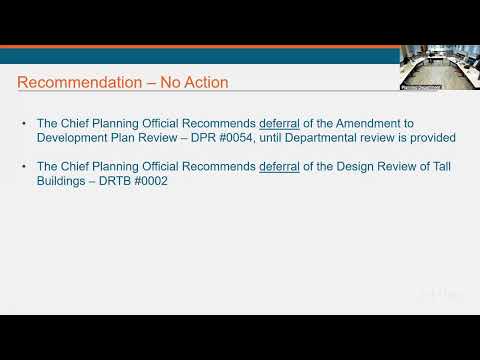
First Columbia LLC presented an amendment Sept. 11 to a previously approved downtown project — revising a development plan that includes a proposed nine‑story office building and a four‑story mixed‑use building with 56 dwelling units, roughly 4,000 square feet of retail space and about 76 off‑street parking spaces. Albany Planning Board staff told the board that the site was already remediated under the ground‑fill cleanup program, that the project remains a reduced‑intensity proposal compared with the 2018 approval, and that the board’s earlier negative environmental declaration (2018) remains valid. A staff speaker said, “this 2025 amendment is a reduced intensity of project with fewer residential units, lower chip generation, and substantially lower water and sewer demand,” and concluded “no supplemental [SEQR] review is warranted.” Project representatives described the site history, remediation work and the market rationale for the shift from the original residential emphasis toward new Class A office space. Dan, identified in the transcript as a project representative, said the developer “obviously have[s] a tenant in mind for a portion of this 9‑story building because they won't go to 9 stories unless they've had somebody in mind.” The project team said the ground conditions are suitable for deep end‑bearing piles to reach rock, citing prior geotechnical work conducted during the original project approvals. The presenters noted a number of practical details and constraints: utilities and existing underground conduits along Broadway limit landscaping in the Broadway curb strip; stormwater infrastructure sized for the earlier full buildout is already in place; water and sewer demand for the amended proposal is lower than for the originally approved project; and the project will likely rely on the nearby Quackenbush Square parking garage while providing about 76 surface parking stalls on site. Project representatives said they will install conduit for future electric‑vehicle charging and may outfit a small number of spaces with chargers initially. Board members asked about the market shift from residential to office, noting downtown vacancy and questions about demand. Project representatives and an associate said developers have seen demand for modern Class A office space and that rehabbing older buildings to current office needs can be as costly and time‑consuming as new construction. Staff also told the board that the project had been referred to the Albany County Planning Board but that two recent county meetings were canceled and the 30‑day referral period has lapsed, meaning the county did not issue written recommendations within that period. Board staff read for the record that the project remains under the prior negative declaration and that an ECE (certificate of completion) for the remediation is in the project file. Other topics raised during the hearing included pedestrian access and accessibility concerns for a rear pedestrian route toward Montgomery Street, the need to finalize landscape plans (particularly along the Quackenbush frontage), shared‑parking agreements, snow storage and bicycle parking. Board staff and applicants agreed to address those items in revised plans prior to final sign‑off. Representatives also discussed disposal locations for contaminated soils removed during remediation and said material had gone to permitted facilities based on contaminant type. No formal board vote on the amendment was recorded in the public hearing transcript. Staff and the applicants said they would continue to respond to departmental comments and return with revised plans and documentation for final administrative approvals or subsequent board action. What happened next: after the Quackenbush Square discussion the board moved on to other business and closed the meeting.