
Franklin school leaders report steady improvement in arrival, outline causes and next steps
Get AI-powered insights, summaries, and transcripts
Subscribe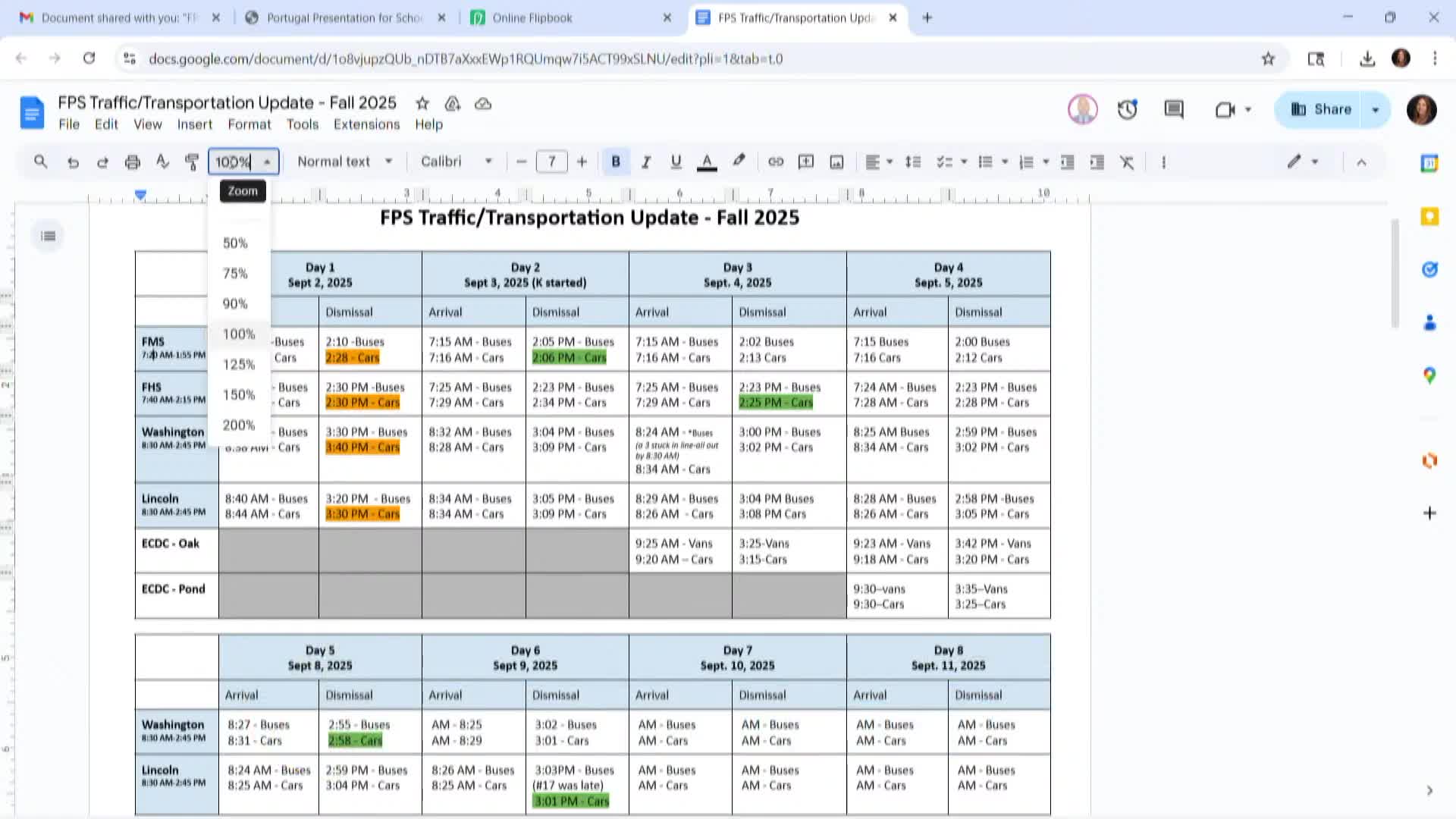
Summary
Superintendent Lucas updated the School Committee on first-week traffic and bus issues after the district’s reorganization and new traffic patterns; staff presented daily tracking data showing shorter queues, bus-registration figures and capacity details, and the committee discussed communication and next steps.
Superintendent Lucas updated the Franklin School Committee on school arrival and dismissal delays during its first week of classes, saying daily tracking shows significant improvement but that families should expect continued delays while the district resets routes and routines. "We have a plan. We're sticking to our plan, but we're holding it loosely and we're modifying and adjusting as needed," Lucas said during the Sept. 8 meeting.
Why it matters: Changes to school assignments and traffic patterns plus a large number of new students created higher-than-normal vehicle volumes at drop-off and pickup. The committee said accurate, timely data and clear communications are essential as the district adjusts transportation operations and evaluates whether to add operational changes such as staggered arrivals.
District staff presented a day-by-day data chart that tracked queue times at several schools and bus on-time measures. Colin, the staff member who presented the transportation data, said the district registered 2,576 bus riders and that most buses remain within the district's planned functional capacity. "The bus actually has 77 seats on it," Colin said, noting the district uses lower target counts (about 69 seats for elementary, 62 for middle and 60 for high school) as a functional capacity to allow for student size and safe operations.
Colin told the committee the district received two waves of late bus registration requests: 125 requests between the June 20 registration close and the Aug. 12 route-building presentation, and another 144 requests after the Aug. 12 update. Staff have incorporated many late registrants but cautioned that routing and seat allocation were designed around the earlier registration snapshot and that adding large numbers of riders now requires recalculation of routes and can create operational strain.
Committee members and administrators discussed specific problems parents reported, including perceived crowding on some runs and long single-lane queues that prompt drivers to use the opposite lane to pass. Staff said they will audit specific routes with close calls, including one Washington Street route identified by parents. Colin said only four buses (out of the fleet serving registered riders) are currently over the district's initially planned functional capacity and that the district has not received verified reports of students forced to stand during routes for registered riders.
The committee also discussed options parents could use to reduce congestion: switching eligible families who do not use free busing (the district reported 253 qualifying students who did not take the bus) to bus service where practical, carpooling, and using underused drop-off locations such as the ECDC loop behind the building. Lucas and other administrators said they are monitoring the first two weeks of data before deciding on further operational changes such as widening morning drop-off windows or requesting town traffic enforcement at key intersections.
Several committee members urged continued public communication of daily data and of practical alternatives (carpooling, alternate drop-off points) while staff continue to refine routes. Staff said they will examine problem routes and report back, and reiterated that bus registration deadlines are necessary so routes can be designed safely and efficiently.