Get Full Government Meeting Transcripts, Videos, & Alerts Forever!
Get email alerts on the District Accreditation topic
No spam. Unsubscribe anytime.
District achieves Cognia accreditation; review identifies three improvement goals
Summary
Cognia review team awarded Humboldt Unified district accreditation after a multi-part self-study; the review highlighted areas of excellence and three prioritized areas for improvement — stakeholder involvement, student engagement, and a formal program-evaluation process — with a three-year progress window.
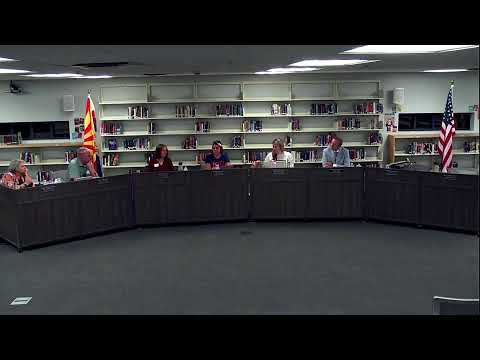
At the Sept. 11 board meeting, district curriculum staff member Diane Salinger presented the results of the Cognia accreditation review and informed the board that the district has received formal accreditation from Cognia.
Salinger said the district chose to pursue accreditation as a school district so all schools would be held to the same standards. She described an intensive process that included a self-assessment, the collection of more than 100 pieces of evidence, interviews with board members and principals, two days of onsite review, and walk-throughs conducted with instructional specialists.
Nut graf: Cognia scored 30 standards across four areas — culture of learning, leadership for learning, engagement of learning and growth — and while the district earned recognition for community commitment, leadership’s emphasis on continuous improvement and gains in state letter grades, the accreditation team identified three priority improvement goals to be addressed over the next three years: increase stakeholder involvement (including more survey responses), improve student engagement in classrooms and implement a formal process to evaluate program effectiveness.
Salinger summarized next steps: continue surveying, collect trend data from classroom observations and walk-throughs, document evidence of progress and present that documentation for a progress review during the three-year timeline (the full reaccreditation cycle is six years). She described the accreditation result as a mark of external credibility that can help students with scholarships and college admissions.
Ending: Board members thanked Salinger for the work and noted the process’s rigor. No board vote was required; the report was informational and sets district follow-up work tied to the accreditation schedule.