Tomball ISD says StopFinder rollout problems have eased after training and technical fixes
Summary
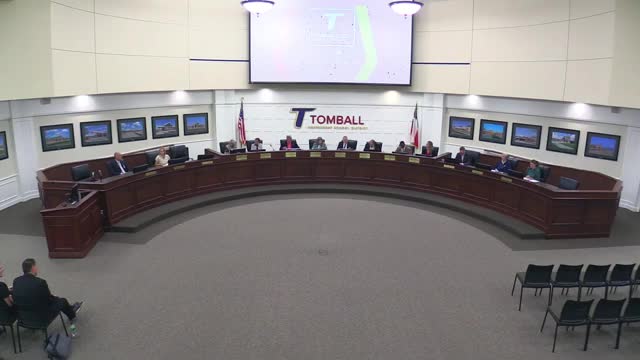
At the Sept. 9 Tomball ISD trustees meeting, Chief Operating Officer Dr. Gutierrez and Director of Transportation Sandy Dillman told trustees the district has addressed most early problems with the new StopFinder bus-tracking system and described steps taken to reduce false notifications, increase driver training and improve parent support.
At the Sept. 9 Tomball ISD Board of Trustees meeting, Chief Operating Officer Dr. Gutierrez gave a detailed update on the district’s rollout of StopFinder, the district’s new parent-facing bus-tracking and routing interface, saying the district has taken multiple technical and operational steps and that “we do extend our sincere apology” to families who experienced problems during the start of the school year.
Why it matters: The StopFinder rollout affected daily transport for more than 10,000 students and generated thousands of parent contacts in a short period. Accurate tracking and timely alerts are central to parent confidence in the district’s transportation service.
Dr. Gutierrez and Director of Transportation Services Sandy Dillman described a mix of causes for the problems — change-management, driver log‑in errors, cellular-connectivity gaps and parent setup of the app — and outlined fixes implemented in the first weeks of school. The district said it deployed hardware on a pilot fleet (22 general‑education buses and seven special‑education buses), ran a summer pilot with about 600–650 riders, hosted face‑to‑face trainings with StopFinder trainers, ran driver ride‑alongs, created short instructional videos for parents and set up a centralized bus‑help inbox monitored by multiple staff members.
Officials said the district monitors a daily navigation report that shows the percentage of routes being navigated in StopFinder and used that data to target driver follow‑up and training. Dr. Gutierrez said the volume of calls and emails dropped sharply after the first weeks; district figures cited at the meeting showed 2,723 messages to the bus‑help inbox since June 16 and 2,570 of those in August, with a single‑day peak of about 318 emails on the second day of school.
The presentation listed recurring causes and remedies: - “Unavailable” or disappearing buses in the app: often caused by drivers not selecting the correct route or by tablet power/connection problems; the district added remote diagnostic access and reinforced driver login procedures. - Login/invitation problems: StopFinder invitations are sent to the primary email on file in the district system; parents who installed the app before receiving the district invitation sometimes had to delete and reinstall the app to complete setup. The district said it will broaden invitation options and communicate steps to parents. - Excess or missed notifications: StopFinder uses push notifications (not SMS). The default geo‑alert window spans 12:00 a.m.–11:59 p.m.; parents must edit geofence time windows in the app to limit alerts to a preferred pickup window. Officials emphasized parents must enable push notifications on their phones. - “Select all” false notifications: The district described a training and configuration issue in which drivers using a select‑all function unintentionally sent notifications to inactive riders; the transportation team is manually removing known inactive riders from rosters and instructing drivers to use manual boarding procedures when needed.
Dillman and Dr. Gutierrez also addressed concerns about bus air conditioning. They said every route bus is equipped with air conditioning and that manufacturers’ typical performance is to lower interior temperature by up to about 15 degrees below ambient, which can still feel very warm during August heat. The district said it keeps a stock of commonly replaced parts and repairs AC units as quickly as parts and shop time allow; drivers are instructed to open windows and vents if an AC unit is out of service.
Board members asked for follow‑up on specific parent reports, unassigned riders on the first days of school and whether the secondary StopFinder user can issue invites. Dr. Gutierrez and staff said they would investigate individual reports offline and escalate complex cases to StopFinder as tickets when necessary. Dr. Gutierrez said many issues were addressed within three to four weeks and that remaining problems were “unique and individualized.”
The district emphasized the change‑management nature of the rollout: staff, drivers and parents had to learn new processes, and the district continues targeted training and parent communications (how‑to videos, social posts, and short driver‑facing clips created by the district audiovisual team).
Trustees did not take formal action on the report; staff described ongoing steps and said they would continue to monitor and respond to individual problems.
The district asked parents to use the bus‑help inbox for case‑specific issues and to check StopFinder geofence and notification settings. Trustees encouraged the communications team to push best‑practice tips and short training clips for parents and drivers.
The transportation update concluded with Dr. Gutierrez asking trustees for any additional questions; none were raised that required board action.