
Millersville council begins 2026 budget planning, proposes six-month reserve policy
Get AI-powered insights, summaries, and transcripts
Subscribe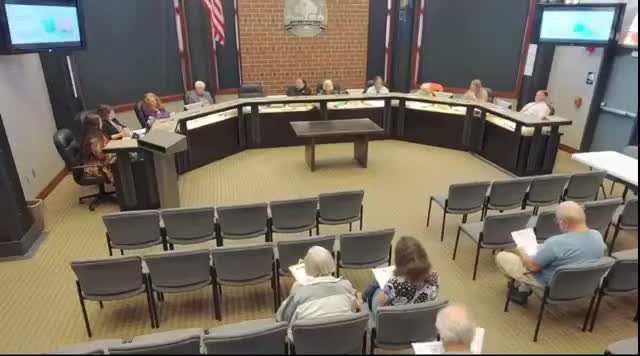
Summary
Council heard a preliminary overview of 2026 budget priorities, including rising solid‑waste costs, stormwater repairs and a proposal to formalize an "unreserved fund balance" with a six‑month operating reserve; committee approved moving the concept forward for legal review.
Millersville Borough Council on Tuesday began its 2026 budget conversation and directed staff to continue developing a formal unreserved fund balance policy aimed at holding roughly six months of operating funds in reserve for the general, sewer and solid‑waste funds. Rebecca, the borough manager, presented the preliminary budget framework and highlighted several items likely to affect next year’s spending and revenues. She said some figures will be provided at the October 3 budget release and a special budget meeting scheduled for Oct. 9. The finance committee voted to advance acceptance of August financial reports earlier in the meeting and signaled support for staff to continue drafting the reserve policy for solicitor review. Why it matters: Council’s decisions about reserves, service contracts and capital projects will shape tax and fee decisions that affect property owners and borough services in 2026. The policy would add structure to how the borough uses fund balances in emergencies or for planned capital projects. Rebecca told council the unreserved fund balance policy was developed after consultations with auditors and reflected Governmental Accounting Standards Board guidance; the draft initially used 18 percent as a floor but staff now favors an average of three to six months of operating expenditures to allow flexibility. The manager said the borough already maintains accounts suitable for segregating reserves but needs council policy to formalize practice and define exceptions. She described enumerated conditions when the reserves could be accessed without further delay — for example, to cover large capital costs or during a collective bargaining outcome— and said council could also release funds by majority vote if an unforeseen emergency arose. Several council members asked for more detail on how much of the existing fund balance would be placed into the “firewall;” Rebecca said she would provide the percent and dollar estimates when the full budget numbers are released. Budget pressures and capital priorities: Rebecca told council she expects continuing upward pressure on labor costs and health insurance (she provisioned a roughly 10 percent insurance increase in projections), and noted the borough’s five‑year trash contract with Penn Waste includes annual price increases that will likely create a shortfall in the solid‑waste operating fund unless fees are adjusted. She said new single‑home construction will add revenue, but only slowly, and warned that stormwater maintenance and pipe replacements — including multiple sinkholes this year — will increase both operating and capital spending. Other capital priorities discussed were the Quaker Hill pump station feasibility study (the borough’s oldest pump station), ongoing traffic‑signal upgrades with radar detectors, possible funding for an East Frederick Street restoration, and radio replacements for police to join county communications. Council also flagged community service contributions in the upcoming budget cycle: Lancaster Public Library’s 2025 borough contribution was $5,000; Lancaster EMS has requested $21,000 for next year, which Rebecca said the council should consider during budget discussions. What council decided: The finance committee approved the August financial report and authorized staff to proceed with work on the unreserved fund balance policy and to send the draft to the borough solicitor for review. No final budget or tax‑rate decisions were made; those will be set after the October budget release and subsequent committee reviews. Ending: Rebecca said finalized budget numbers will be distributed on Oct. 3 and that council will have opportunities to refine the proposal before public hearings and final adoption later in fall. No vote on tax rates was taken at Tuesday’s meeting.