
Planning Commission tables rezoning request for 401 Van Gilder amid parking and density concerns
Get AI-powered insights, summaries, and transcripts
Subscribe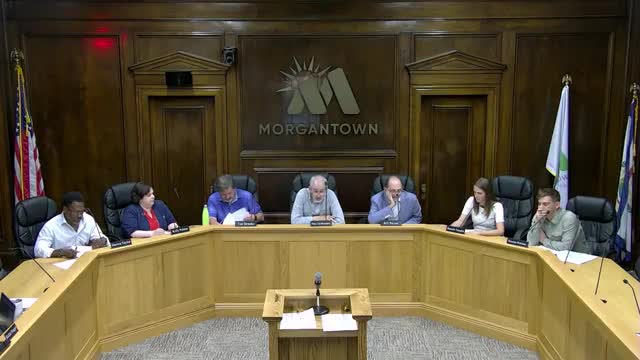
Summary
The Planning Commission voted to table a zoning map amendment for 401 Van Gilder after neighbors and commissioners questioned parking, lot size and whether R‑3 zoning was appropriate for the small, two‑lot site. Staff will consult the applicant and return the item to a future agenda.
The Planning Commission on an unspecified date voted to table a proposed zoning map amendment for 401 Van Gilder, a two‑lot property owned by applicant Jennifer Tucker, after commissioners and nearby residents raised concerns about parking, lot size and density.
The commission’s staff presentation said the request was “consistent with the comprehensive plan,” but recommended more time to consult with the applicant about alternative zoning and development standards. A motion to table the application and place it on the next agenda carried without a recorded roll‑call tally.
The property owner, Jennifer Tucker, told the commission she envisions a single building with parking beneath units and said, “6 units. We’re thinking 6 to 8.” Tucker said she inherited the property from her father about five years ago and has had estimates to remove the existing house, which she said is currently unoccupied.
At the meeting planning staff described the site as two lots that when combined are “almost 7,000 square feet,” then later cited measurements that total about 100 by 65 feet (about 6,500 square feet). Staff noted the parcel sits near the intersection of Van Gilder, Proxman and Stewart streets and that the city owns an adjacent parcel that could be used for future intersection reconfiguration.
Neighbors and one resident speaker, David of 301 Raymond Street, asked how a single‑family (R‑1A) parcel would change to multifamily and expressed concern about additional on‑street parking where the intersection has “always been… the worst intersection.” David asked whether crosswalks, stop signs or other traffic improvements would be added to mitigate safety concerns.
Commissioner Petras said she personally thought R‑2 zoning would be a better fit for the parcel than R‑3, prompting staff and other commissioners to discuss the procedural difference. Staff explained that R‑2 would make multifamily development a conditional use requiring the applicant to present more detailed plans to the Board of Zoning Appeals and that those hearings include public notice. A staff member said that the Planning Commission could recommend R‑2 to the city council if the applicant was amenable.
Staff and commissioners emphasized constraints created by dimensional standards. The planning presentation listed minimum setbacks of 10 feet front, 5 feet side and 20 feet rear and noted lot coverage differences: R‑2 maximum lot coverage of 50 percent versus R‑3 at about 40 percent. Staff also summarized parking rules discussed at the hearing: the city’s standard equates to about 0.75 parking spaces per occupant, and staff gave an example that “if you did 8 total units with 2 bedrooms each, you would have to have at least 12 off‑street parking.”
Staff said the applicant must consolidate the two parcels through a minor subdivision or place a deed restriction for planning purposes before building. Staff also warned that if the applicant sought variances from dimensional standards, the project would require review by the Board of Zoning Appeals, a separate public hearing process.
Given the questions about allowable density, parking and buildable area, staff recommended tabling the item so staff could meet with the applicant and return a refined recommendation. The Planning Commission moved to table the application and schedule it for the next meeting.
Next steps: staff will consult with the applicant about whether to pursue R‑2 (conditional use) or R‑3 and will prepare information about buildable area, setback impacts and any variance needs for the commission’s next review.