
Senators press OSTP on data center permitting, water and fiber needs for AI buildout
Get AI-powered insights, summaries, and transcripts
Subscribe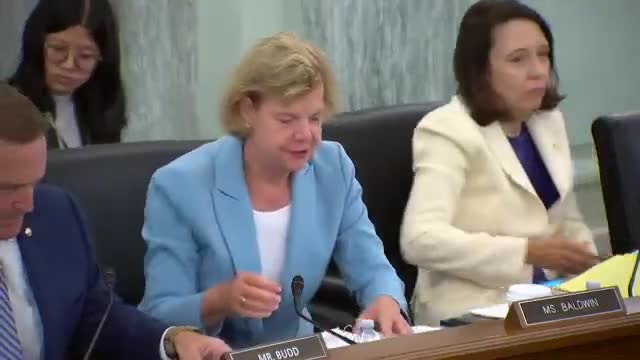
Summary
Members raised concerns about data center impacts on electricity, water and broadband; OSTP said agencies will pursue permitting reform, emphasized energy capacity and noted Commerce, NTIA and EPA roles on related issues.
Senators pressed Michael Kratsios, Director of the White House Office of Science and Technology Policy, at a Senate subcommittee hearing about the infrastructure needed to support an AI industry: data center siting, electricity supply, groundwater and fiber connectivity.
Why it matters: AI model training and large deployments are energy- and bandwidth‑intensive. Lawmakers questioned whether current permitting and energy policy will supply sufficient reliable power, protect water resources near the Great Lakes and accelerate fiber build‑out for emergency services, education and economic activity.
Sen. Tammy Baldwin raised Great Lakes states’ concerns about data center water use and asked how the administration will protect groundwater. OSTP’s Kratsios pointed to agency rulemaking processes and public notice, and said the EPA and the president are committed to “clean air and clean water,” adding that any amended Clean Water Act regulations would go through notice‑and‑comment. For permitting reform, senators including Ted Budd and others urged streamlined permitting so data center projects are not held up by slow approvals.
On energy, senators pressed that AI growth requires more than incremental renewable additions and discussed the need for diverse generation, including nuclear and fossil fuels for baseload in some regions. Kratsios told the panel the administration sees co‑located energy and behind‑the‑meter solutions as part of the infrastructure buildout and reiterated the plan’s emphasis on permitting reform to “build, build, build.”
Fiber and broadband were discussed at length. Sen. Jacky Rosen (referencing Microsoft testimony to the committee) said AI demand will require substantial expansion of fiber infrastructure. Kratsios agreed that fiber is “a very important component” of AI interconnect systems and said Commerce and NTIA are considering connectivity options.
Senators asked OSTP and agency partners to provide specific impact estimates, to coordinate federal programs that fund broadband and to make clear how federal funding decisions would weigh local environmental and water protections against national infrastructure priorities. OSTP committed to coordinate with Commerce, EPA and NTIA as the action plan is implemented.