
Senators and OSTP discuss regulatory sandboxes, state preemption and a new sandbox bill
Get AI-powered insights, summaries, and transcripts
Subscribe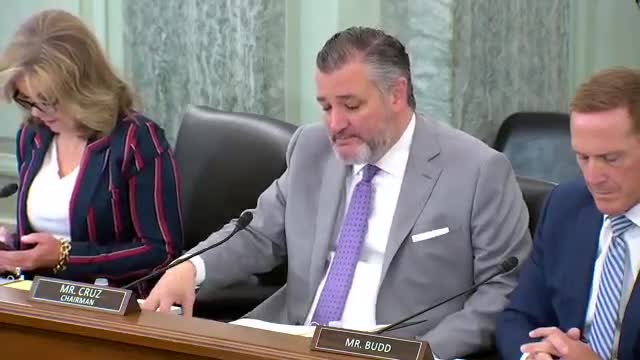
Summary
Committee leaders and OSTP Director Michael Kratios discussed regulatory sandboxes as part of a broader legislative framework to speed AI development while protecting consumers; Kratios expressed support for sandboxes and bipartisan work with Congress, while some senators warned against federal overreach into state laws.
Senate leaders and OSTP Director Michael Kratios discussed at the Sept. 17 hearing how regulatory sandboxes and federal legislation might shape U.S. AI policy.
Chairman Cruz said he was releasing a legislative framework and would introduce a regulatory sandbox bill that allows AI developers to request waivers or modifications to obstructive regulations for up to two years under a written agreement that requires participants to mitigate health or consumer risks. "A regulatory sandbox is not a free pass," Cruz said. Kratios said OSTP supports sandboxes and that the action plan promotes their use.
Several senators pressed on the proper institutional home for any federal sandbox. Senator Blunt Rochester said she backed state‑level sandboxes — noting Delaware’s pilot — and questioned whether OSTP is the right place to host a national sandbox. Kratios said he was "very excited" to work with Congress on a statutory approach.
The hearing also featured a contentious exchange over the administration’s stated intent to limit federal funds to states that adopt "unduly restrictive" AI regulations. Senator Peters asked who would decide which state laws were "prudent" or "unduly restrictive;" Kratios replied that agencies funding programs would make those determinations and that secretaries at those agencies are "well positioned" to implement the action plan. Peters pressed on whether that was sufficiently specific; Kratios said the action plan is a set of recommended actions and agencies would exercise judgment.
Republican committee leaders said state patchworks of law (for example in Colorado and California) risked creating barriers to adoption and advantaging large firms with legal resources; Kratios and several senators favored federal approaches to avoid a balkanized regulatory environment. Other senators warned against overbroad federal preemption and urged clarity on how conditionality of federal funds would be applied.