
Bowie council adopts fiscal 2025–26 budget and affirms same tax rate as prior year
Get AI-powered insights, summaries, and transcripts
Sign Up Free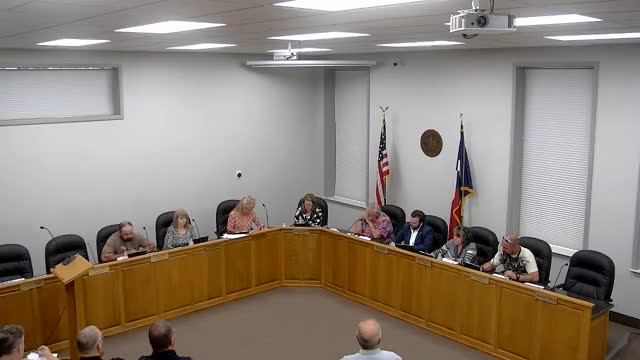
Summary
The City of Bowie on final reading adopted the fiscal 2025–26 annual budget and approved the city's ad valorem tax ordinance while saying the tax rate remains the same; council also agreed to transfer retained earnings into infrastructure and street-improvement accounts.
Bowie's City Council on final reading adopted an annual budget for the fiscal year beginning Oct. 1, 2025, and approved an accompanying ordinance levying the city's ad valorem tax rate for 2025. The council also approved a resolution to transfer retained earnings into infrastructure and streets improvement accounts.
The budget ordinance—identified in the meeting as ordinance 25 20 25 0 7—was presented on its second and final reading and approved after a motion and roll-call votes. Council members recorded "Aye" on the final vote to adopt the budget as presented.
The council then considered an ordinance levying an annual ad valorem tax rate for 2025 (referred to in the meeting as ordinance 20 25 10). A motion on the floor referenced a tax rate figure of 0.543 and discussion clarified that while valuations and resulting revenue are higher, "the tax rate is exactly the same" as prior years. Council members voted to adopt the rate as presented.
Council also approved resolution 20 25 28 to reallocate retained earnings into designated accounts. The finance director had asked the council in budget meetings to appropriate at least 50% of retained earnings to an infrastructure program and to streets improvement within the general fund; the resolution formalizes that annual transfer practice.
Discussion and votes: The budget and tax-rate ordinances were approved by roll call; council recorded affirmative votes from members present. The transfers of retained earnings were approved after a motion to adopt the resolution.
Why it matters: Adoption of the annual budget sets spending priorities and authorizes the city's fiscal plan for the coming year; the tax-rate action confirms the city's levy while higher property valuations can increase revenues for the same rate. The retained-earnings transfers allocate reserves toward infrastructure and streets projects identified by staff.
What happens next: The ordinances are effective as provided in their texts and staff will implement the budget and the transfers per the finance director's guidance.