Get Full Government Meeting Transcripts, Videos, & Alerts Forever!
Get email alerts on the City Strategic Goals topic
No spam. Unsubscribe anytime.
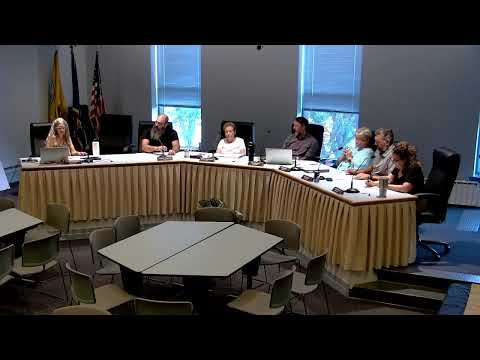
Lapeer City holds workshop to add and prioritize draft goals for 2026–31
Summary
City commissioners and staff reviewed nine draft goal areas — public safety, infrastructure, housing, economic development, transportation, recreation, civic engagement, governance and communications — and directed staff to gather costs, seek department input and return with prioritization options.
Lapeer City commissioners met in a workshop to review and add to a draft set of goals and objectives for 2026–2031. City staff presented nine broad goal areas and asked commissioners to add ideas rather than finalize priorities, and the group discussed next steps for staff follow-up, public input and a method to rank priorities.
City staff framed the meeting as an early step in a longer process. “My primary goal today is to take the list that we have and add to it, not necessarily subtract from it,” a staff member said. Commissioners and other attendees proposed additions and raised questions about cost, implementation and who would lead follow-up work.
Why it matters: the workshop collected commissioner priorities that will shape the city’s capital planning, budget requests and grant applications. Commissioners asked staff to return with more detailed cost estimates and with department head input on feasibility before the commission selects a final prioritized list.
Most-discussed items included: public safety and emergency preparedness (expanded neighborhood watch/CPTED, mental-health support for first responders, senior safety courses); sustainable infrastructure (road and drainage maintenance, ADA improvements, a possible wastewater-treatment-plant solar field); housing and property development (revitalizing downtown-adjacent neighborhoods, encouraging “missing middle” housing, potential requirements for developer-provided parks); and transportation/pedestrian safety (crosswalk upgrades, traffic signal predictability, digital speed feedback signs). Recreation, natural-resource stewardship, civic engagement and improved city communications and governance also generated detailed discussion.
Commissioners emphasized that some proposals can be implemented cheaply and quickly while others will require significant staff time or outside funding. Staff repeatedly cautioned that certain ideas could be expensive or outside city authority and said they would convene department heads for technical review. The meeting noted existing efforts and constraints — for example, the recycling service structure tied to private haulers and recent distracted-driving ordinances the city has adopted — and discussed grant and partnership opportunities where applicable.
On next steps staff described several possible approaches for turning the workshop list into a prioritized program. Options discussed included a line‑by‑line vote, a sticker/ballot method, or a points-based ranking (survey or scoring) that would aggregate commissioners’ priorities. Staff said they would study the community survey responses already in the field to help inform prioritization and would prepare follow-up materials, including cost and feasibility notes and department-head briefings.
The meeting was explicitly a workshop rather than a decision meeting: no formal votes were taken and no ordinance or budget allocations were adopted. Commissioners directed staff to return with additional information and, where applicable, to seek grant opportunities and bring department heads to future meetings to discuss implementation details. The workshop closed with staff and commissioners agreeing to refine the list and to use the public-survey results and further staff analysis to set final priorities at a later meeting.