Get AI Briefings, Transcripts & Alerts on Local & National Government Meetings — Forever.
Public Works reports quarterly solid‑waste gains, flags hiring and illegal‑dumping challenges
Loading...
Summary
Department of Public Works presented April–June performance metrics, citing high completion rates for collection services but persistent not‑out stops, staffing vacancies and growing illegal dumping; staff noted steps to increase enforcement and staffing changes including the departure of Deputy Commissioner Kanika Greenlee.
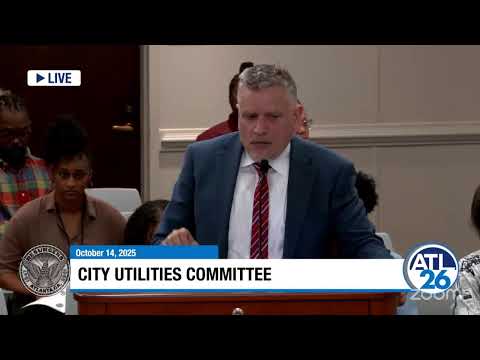
The Department of Public Works presented quarterly performance data covering April through June and reported generally high completion rates for core collection services while acknowledging ongoing problems with staffing, access and illegal dumping.
Why it matters: trash collection, street sweeping and illegal‑dumping enforcement affect daily life and city maintenance costs. Department leaders told the committee they are increasing enforcement actions against repeat offenders and working to fill front‑line vacancies that affect service delivery.
Key performance data and departmental priorities A department presenter said garbage collection recorded about 1,300,000 stops in the quarter with a 98% completion rate; recycling saw nearly 1,300,000 stops with a 97% completion rate. Yard trimming (on a biweekly schedule) showed an 88% completion rate. Multifamily servicing reported a 96% completion rate across roughly 3,100 stops. Bulk pickup performance was reported at 100% for about 11,000 stops. The department also reported 860 tons collected via street sweeping and 639 tons removed from illegal dumps.
The presenter emphasized “not out” occurrences (where crews could not access collection points) as a primary driver of missed service metrics and said improving communication with residents would help reduce not‑outs.
Illegal dumping and enforcement Department officials described efforts to target “bad actors” who repeatedly dump tires and other waste, including working with the solicitor’s office to pursue citations and court actions. Officials said they have a high win rate when cases reach a judge and intend to increase the volume of cases presented to the courts. The presentation also referenced the Solid Waste Education and Enforcement Team (SWEET) and Operation Clean Sweep (department event and cleanup efforts) as enforcement and community engagement tools.
Staffing, fleet and budget notes The department reported 743 budgeted positions with 626 filled (an 84% fill rate), and said about 117 vacant fleet positions existed compared with the prior quarter. The presenter described ongoing efforts to convert some entry‑level roles to benefited positions to improve recruitment and retention and said the department uses contracted staff for some utility‑critical positions when vacancies persist.
Recognition and leadership changes Council members used the presentation to recognize Kanika Greenlee, the department’s deputy commissioner, who the committee said is leaving for a new national role. Members thanked Greenlee for her service and said they would present a proclamation before her departure.
Questions from council members and next steps Council members asked about service level agreements for cart and Herbie (cart) replacements — the presenter said the SLA for replacement is 10 days and described the process for residents to file requests through ATL 311. Council members also pressed the department on increasing citations and working closely with the solicitor’s office to change behavior by repeat offenders.
The department committed to prioritize known hot spots (the committee discussed a particularly problematic underpass on Cleveland Avenue), step up enforcement against illegal dumping, and continue recruitment initiatives to reduce vacancies.
The presentation closed with an invitation for follow‑up meetings with fleet staff and pledges to provide more detailed staffing and hiring updates in subsequent reports.