Get Full Government Meeting Transcripts, Videos, & Alerts Forever!
Get email alerts on the Education Governance topic
No spam. Unsubscribe anytime.
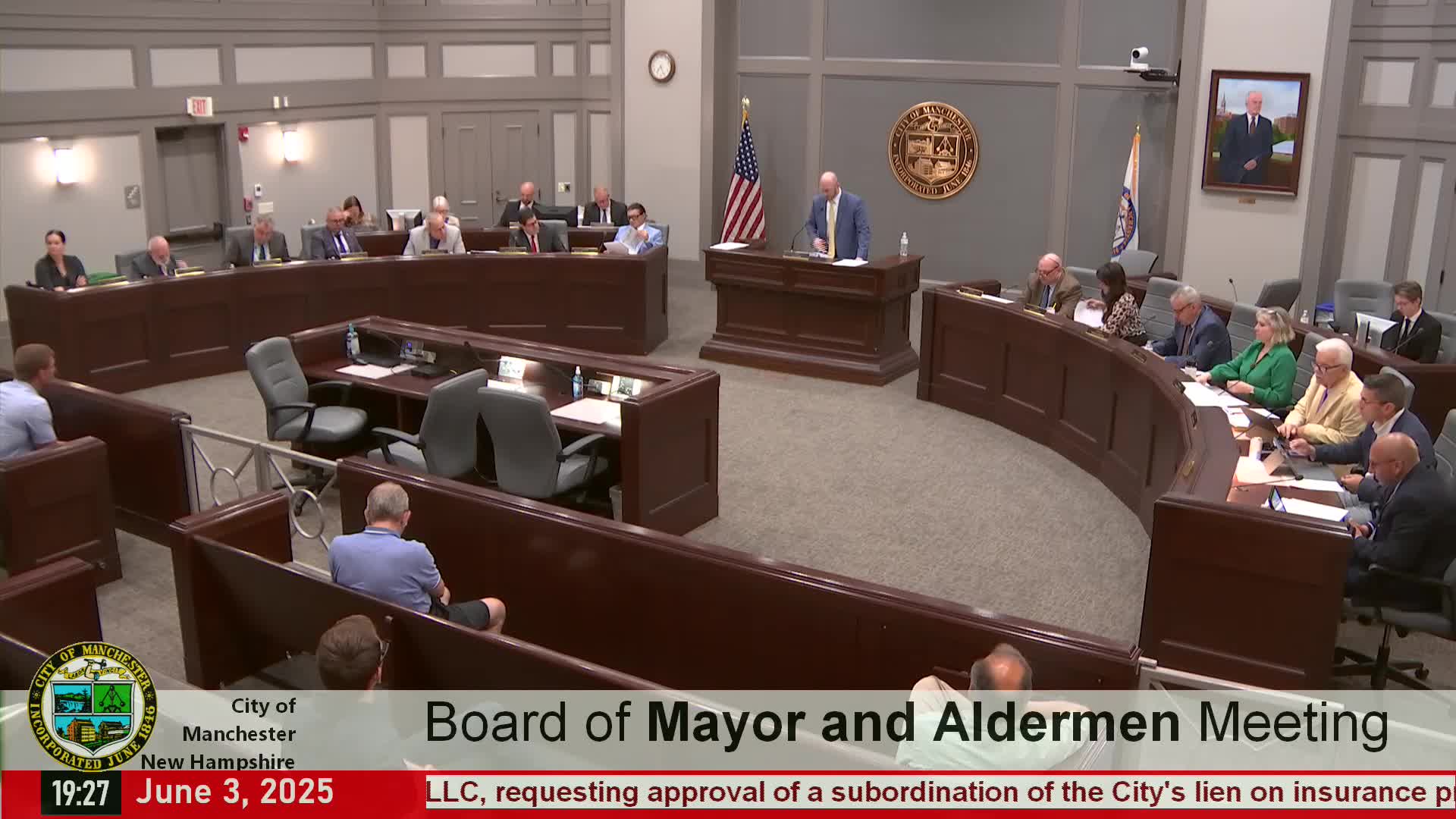
Aldermen decline to send 2001 charter amendments on school district to ballot after hours of debate
Summary
The Manchester Board of Mayor and Aldermen debated returning the school district to a city department and the reach of state law, received a solicitor—s communication and then voted against placing the 2001 charter amendments on the November ballot.
The Board of Mayor and Aldermen on Tuesday received and filed a communication from the city solicitor and city clerk about how the city charter relates to the Manchester School District, then declined a separate motion to start the process to place four charter amendments from 2001 on the November ballot.
The solicitor—s written communication, provided to aldermen before the meeting, set out legal limits under state law and existing RSAs. The board voted to receive and file that communication by voice vote; a later motion by Alderman Michael Theriault to send the 2001 amendment language forward for public hearing and state review failed after a roll-call vote.
Why it matters: supporters of the ballot move said changing the district—s legal status to a city department would improve transparency and eliminate an accounting "chargeback" system between city and schools. Opponents and the city solicitor warned the change could bump into more than 200 state statutes and prompt litigation over what additional authority the city could claim.
Board debate centered on whether the proposed amendments are largely cosmetic or would meaningfully change budget and personnel authority. Alderman Levasseur argued the public should have the final say: "I do believe we should at least put it out to the ballot," he said during debate. Alderman Barry urged deference to the solicitor—s guidance and recommended caution.
The solicitor and other speakers noted the enabling state legislation passed in 2003 and several court decisions have left open complex questions about the extent of municipal authority over school districts in New Hampshire. The solicitor told aldermen the full legal effect of reclassifying the school district would be difficult to predict and that specific disputes would likely have to be resolved case by case.
The motion that failed would have initiated a public hearing process, sent proposed language to the state—s three reviewing agencies (secretary of state, Department of Revenue Administration, attorney general) and, if the state review did not block it, placed the question before voters in November. Alderman Theriault said his intent was to replicate language the electorate approved in 2001; others said sending unclear language to voters risked prolonged litigation.
What happens next: the board has not scheduled further action on the topic. Aldermen who pressed for the ballot said they could pursue a public hearing or revised language in future meetings; those opposed said they prefer more negotiation with the school committee before escalating to a public vote.
Ending note: The board—s vote to receive and file the solicitor—s communication was carried by voice. The subsequent motion to move the 2001 amendments forward to state review and the ballot failed at roll call.