National Weather Service: water year below normal across western Montana; outlook shows wet, cool early winter then potential dry spring
Loading...
Summary
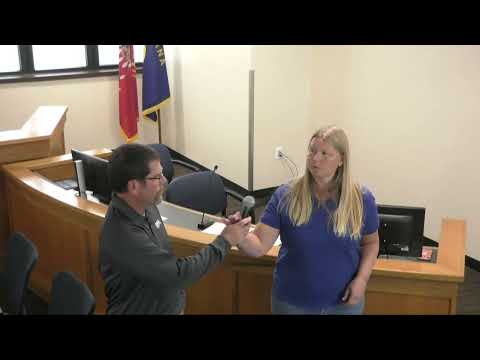
Lianne Allegretto, hydrologist and meteorologist at the National Weather Service Missoula office, told the LEPC that the 2024–25 water year finished below normal across much of western Montana and that several stream gauges were at all-time low values for late September.
Lianne Allegretto, hydrologist and meteorologist at the National Weather Service (NWS) Missoula office, told the Local Emergency Planning Committee on Oct. 14 that the 2024–25 water year finished below normal across much of western Montana and that several stream gauges were at all-time low levels for late September.
Allegretto said wet July and August precipitation helped short-term runoff, but a string of dry, warm months — particularly in the April–May runoff period — reduced snowpack and streamflow. “On Sept. 28 there were 15 gauged USGS sites at an all-time low for that day,” Allegretto said, noting that gauges have differing historical records and that the low readings were spread across the NWS Missoula service area.
Outlook and seasonal expectations
Allegretto reviewed the official seasonal outlooks and earlier regional analogs. She said Pacific sea-surface temperature patterns and convective trends in the far Pacific currently resemble conditions from the 2021–22 period; those analogs produced a cool, wet November–January in the Northern Rockies, followed by a drier early spring. NWS outlook maps offered a higher probability of cooler and wetter conditions for December–February and February–April, she said, but stressed that mountain snowfall patterns remain highly variable and depend on the timing of storms and cold-air intrusions.
Why it matters
Lower-than-normal water-year totals affect reservoirs, river levels and drought resilience heading into the winter recharge season. Allegretto said a favorable snow year would be needed to substantially improve streamflow and reservoir conditions after several dry years.
Information and follow-up
Allegretto noted the NWS Missoula office posts more detailed water-year summaries and weekly briefings on its YouTube channel and social-media feeds. Committee members were told the official Climate Prediction Center outlooks would be issued on Oct. 16 and that NWS staff are available to provide local briefings and materials for planning exercises.