Clarke County parents, community members split as school board considers family life education rollout
Loading...
Summary
Public commenters and staff presented sharply divided views on adopting a Family Life Education curriculum aligned with Virginia standards; staff reported broad survey support but concerns remain about elementary-level lessons and opt-out logistics.
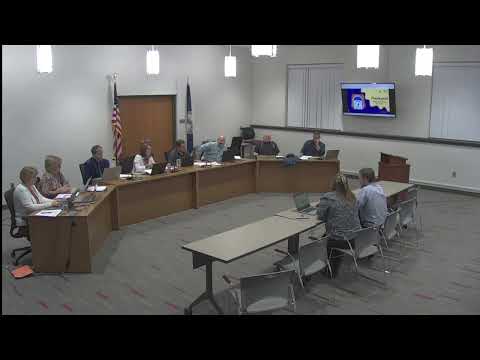
Clarke County School Board heard more than two dozen public comments and a staff presentation Tuesday on a proposed Family Life Education (FLE) curriculum that staff say aligns with Virginia Standards of Learning.
The debate centered on whether the district should implement the curriculum approved by the board in 2019 but never fully delivered to classrooms, how opt-out procedures would work, and which grade levels are appropriate for specific lessons.
The issue drew sharply contrasting testimony from residents. Mary Velou, a Berryville resident and grandparent, urged that “the family is the primary teacher and example when it comes to these topics,” saying classroom instruction should be limited and parents given material to teach at home. Tara Crider, a White Post resident and parent, said she opposed the district teaching family life topics in elementary grades and worried the opt-out process would single out children. “These sorts of topics…deal with family values, and that should be taught in the home and not in the school,” Crider said.
Other parents and advocates urged adoption. Chris Clifford, a Boyce resident and member of the school health advisory board, said the curriculum follows state standards and “will help students navigate relationships, recognize toxic relationships, and know how to get help.” Amy Martin, a parent and former teacher, told the board the curriculum is “not radical” and noted the board approved it in 2019, adding that the delay in implementation has left students without age-appropriate instruction on body changes, consent and safety. “Let’s stop asking kids to wait for knowledge that they needed yesterday,” Martin said.
Several speakers highlighted vulnerable student groups. A Millwood resident who teaches students with disabilities said the district’s failure to provide basic instruction contributes to higher risk of sexual assault and unintended pregnancies for students with disabilities and those from foster care. “Those statistics are even scarier when you look specifically at our vulnerable populations,” the speaker said.
District staff summarized community feedback and described how the opt-out process would work. Jessica Nail, director of curriculum and instruction, said staff received 82 survey responses (after removing duplicates the working total was about 78), with 70 respondents recorded as in favor of adopting the curriculum and eight opposed. Nail showed parents an opt-out form organized by grade-level lessons so families could exclude specific lessons rather than entire grade-level blocks. “Each lesson is a row and what you would be opting out of or opting into if you did not return the form,” Nail said.
Board members pressed staff on transparency and content. Several trustees asked which FLE topics are already taught in health, physical education or counseling and whether “community resources” referenced in the curriculum included specifics such as where students could get health or counseling services. Nail and other staff said some material (social-emotional learning, basic health and safety topics) is already covered in existing classroom and counseling lessons; they also said community-resource references are intended to point families and students to local mental-health and support services through student support services and counseling.
Board members and staff also discussed logistics and limits of opt-out arrangements. Staff said the grade-by-grade opt-out form breaks FLE into discrete lessons so a parent could exempt a child from a particular lesson rather than the entire program; staff noted that removing students creates operational burdens for teachers who must provide alternate assignments.
The board did not take a final vote on the curriculum at the meeting. Several trustees suggested splitting action by grade band — for example, adopting the high school portion while postponing elementary or middle-school lessons for further review — and asked staff to return with clarified lesson-level language and a refreshed staff survey if the board considers a change.
The matter is scheduled for further discussion at an upcoming meeting; board members asked staff to supply lesson-level clarifications and to highlight which standards are already taught in health classes so trustees could consider whether to adopt all, part, or none of the proposed FLE rollout.