Get Full Government Meeting Transcripts, Videos, & Alerts Forever!
Get email alerts on the School Playgrounds topic
No spam. Unsubscribe anytime.
Board approves adding pre‑K playground equipment at Parkview; larger towers remain in place
Summary
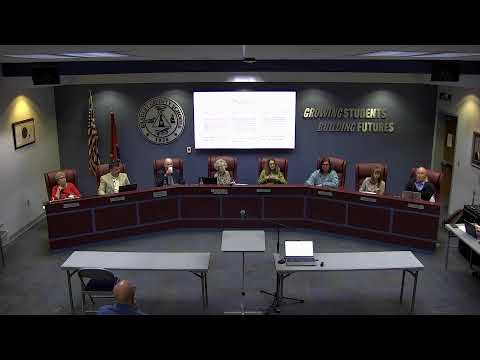
The Bradley County Board of Education on Oct. 20 voted 6–1 to adopt an option that keeps two large playground structures in their current, unintended locations at Parkview Elementary and to add a separate pre‑K play section, a decision the board said will cost the district a net $7,000 after a $15,000 contribution from the project team.
The Bradley County Board of Education on Oct. 20 voted 6–1 to adopt an option that keeps two large playground structures in their current, unintended locations at Parkview Elementary and to add a separate pre‑K play section, a decision the board said will cost the district a net $7,000 after a $15,000 contribution from the architect/engineer team.
The vote, taken at a special called meeting, resolved a months‑long construction misplacement in which the district’s taller play structure and a shorter structure rated for ages 2–12 were installed on opposite sides of the new Parkview campus from the locations originally planned. Board members debated three options: (1) disassemble and relocate the two large towers to their originally intended sides (net cost $35,000 to the district); (2) leave the towers in place and add a pre‑K play section (net cost $7,000); or (3) both relocate the towers and add the pre‑K section (net cost $57,000). The board adopted option 2.
Why it matters
Parkview has four preschool classrooms — including CDC (special needs) pre‑K sections — and school officials and some board members said pre‑K students need equipment rated and sized for younger children. Principal Jody Granon told the board, “We have 4 preschool classrooms currently, which is more than any other Bradley County school,” and said adding equipment designed for ages 2–5 would “greatly benefit” those students and allow kindergarten to use that area as well.
What was discussed
Project presenters outlined the three options and associated costs and timelines. Presenter Colin Corbett said the manufacturer and contractor offered discounts: the vendor proposed $50,000 to disassemble and relocate the towers but agreed to reduce its contribution so the net to the district for relocation (option 1) would be $35,000 after a $15,000 contribution from the architects/engineers. Corbett described option 2 as adding a pre‑K section to the K–2 side with vendor discounts on equipment and installation; that option would take about four to six weeks for fabrication, delivery and installation. Option 3 combined both actions; the presenters gave a net cost to the district of $57,000 and similar timing (three weeks to relocate the larger structures; four to six weeks for the pre‑K section).
Board members weighed cost, student safety and long‑term use. Several members noted the project is currently under budget and has contingency funds: one board member said the overall Parkview project was "about $340,000 under budget" (amount as stated in the meeting). Board members asked how far students would need to walk between classrooms and playgrounds under different configurations; presenters and the principal gave multiple measurements during the discussion, including an approximate 125 feet from the pre‑K back door to one playground, about 250 feet to the center‑line distance, and measurements as long as about 400–630 feet depending on the path taken. Presenters also measured deck heights on the two systems: about 5.5 feet for the lower deck and about 13 feet for the taller tower.
Public‑school operational points
School staff said the shorter tower currently assembled on the third–fifth grade side is rated for ages 2–12 and therefore technically acceptable for pre‑K, but that moving younger students across the campus every day could disrupt schedules and recess time. Granon and other school leaders emphasized that some of Parkview’s pre‑K classrooms serve students with special needs (described in the meeting as CDC and inclusion classes) and expressed that those classrooms require readily accessible, age‑appropriate equipment.
Votes at a glance
- Motion to approve Option 1 (disassemble and relocate the two large play structures): failed (2 yes, 5 no). Roll call recorded Helen Smith — No; Amanda Lee — No; Rachel Gomes — Yes; Josh Taylor — Yes; Ted Bryson — No; Vicky Beatty — No; Nancy Cason — No.
- Motion to approve Option 3 (relocate towers and add pre‑K equipment): no second; motion failed.
- Motion to approve Option 2 (leave towers in current locations and add a pre‑K play section): approved by a 6–1 vote. Roll call (as recorded at the meeting) produced six yes votes and one no; the meeting transcript records the roll call responses in sequence and the chair announced the motion carried.
Implementation and next steps
Under the adopted option, the vendor will fabricate and install a pre‑K‑rated play section for the K–2 side; presenters estimated four to six weeks for fabrication, delivery and installation after release. Board members and staff said they will repurpose salvageable components from the existing playgrounds where possible; maintenance staff reported swings and other reusable components have been removed and redistributed to other schools.
Board members asked staff to proceed with the adopted option and to return with any required change‑order documentation. The board adjourned after completing the vote.
Sources and attributions
Quoted or paraphrased comments in this report are drawn from meeting remarks by Colin Corbett (project presenter), Principal Jody Granon (Parkview Elementary), unnamed district maintenance staff (identified in the meeting as Mr. McKenna), and Bradley County Board of Education members during the Oct. 20 special meeting.