Get Full Government Meeting Transcripts, Videos, & Alerts Forever!
Get email alerts on the Public Safety Fire Department Budget topic
No spam. Unsubscribe anytime.
Grand Island fire company seeks large budget increase; town board weighs tax-cap consequences
Summary
Representatives of the Grand Island fire company told the town board they are seeking a substantial budget increase for the current year and smaller increases going forward, citing sharply higher call volumes, depleted reserves and rising equipment costs. Town board members discussed the town's tax-cap limits, possible short-term compromises and a
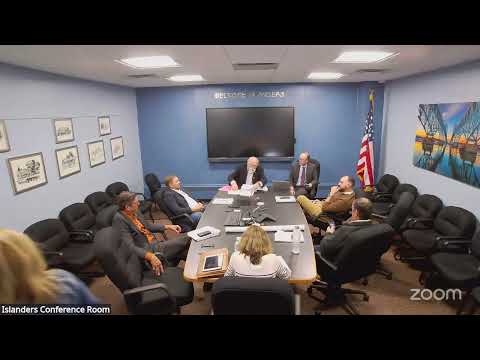
Representatives of the Grand Island fire company told the Grand Island Town Board during a budget meeting that the department needs a large budget increase this year and smaller increases afterward to avoid undermining operations.
The fire department representative said the company's workload has grown from roughly 1,700 calls in earlier years to about 2,300 this year and that the department's reserve fund has fallen from nearly $300,000 to about $14,000. "For the first 3 years, we were holding our own. The last 3 years, we have been destroyed in our budget," the fire department representative said. He added that some supply costs have spiked sharply: "They have gone up 50% in 1 year," he said, referring to consumable patches for ZOLL heart monitors.
Why it matters: Town officials said accepting the fire company's proposed increase for the current year could force the municipality to "break the tax cap," shifting costs onto other town services or depleting fund balance. Board members discussed several alternatives, including smaller upfront increases with higher future-year increases, a one-year concession, or longer-term structural changes such as creating a fire district or moving dispatch services to a county center.
Town board members pressed for specifics and emphasized limits imposed by New York's tax-cap rules. A board member summarized the town's fiscal constraint: the town staff estimated that the amount the town could increase its levy this year without breaking the cap was in the range of roughly $369,000 (amount described in discussion as an estimate). "If you gave us 0, we would go out of business," the fire department representative said of the department's finances; another board member said the most the town could afford this year was about 5% in the town's contribution.
Board members and fire representatives debated dispatch consolidation. Several town members and residents urged moving dispatch to Erie County to save money, while fire representatives and supporters said local dispatch provides features they consider critical to firefighter safety, including real-time firefighter tracking and familiarity with local camera feeds. "You wouldn't even need to go; you could go with the 0% tax increase in your fire department and have a million dollars over the next 4 years with a 0% tax increase if you move dispatch to the county," one participant argued. The fire department representative and other speakers said county dispatch would not provide the same local features and could endanger response effectiveness.
On possible contract terms, the fire department representative said the department could accept a smaller increase in the immediate year and proposed a 2% increase for 2027, noting that a loan scheduled to be retired in 2027 would free capacity for that year. Town board members said they preferred a shorter-term contract or a one-year agreement with options to reopen negotiations if costs continue to rise. One board member said: "I'd rather take a hit upfront and smaller year over year increases so that we don't have to break the tax cap," and another replied that breaking the cap even once would worsen the town's fund balance.
Board members scheduled additional internal budget meetings and asked the fire department leadership to discuss options; several board members said they expected to continue negotiations and to have follow-up conversations before the town's budget deadline. "We have a budget meeting tomorrow. I think we're all gonna talk about this together," a board member said. The meeting closed without a final vote on the fire company's requested increase.
The discussion combined operational details (call counts and equipment costs), fiscal constraints (tax-cap math and fund-balance impacts) and possible structural changes (dispatch consolidation, fire district), and the board requested further numbers and negotiation before a final decision.