Get Full Government Meeting Transcripts, Videos, & Alerts Forever!
Get email alerts on the Filo Revenue Reallocation topic
No spam. Unsubscribe anytime.
Greenville County Council debates phasing in use of Filo revenue to fund roads after schools, fire districts raise alarms
Summary
Councilors and the county administrator discussed a proposal to reallocate future Filo tax revenue for road and infrastructure projects, consider delaying budget adoption and phase-in to reduce immediate impacts on school and fire district budgets.
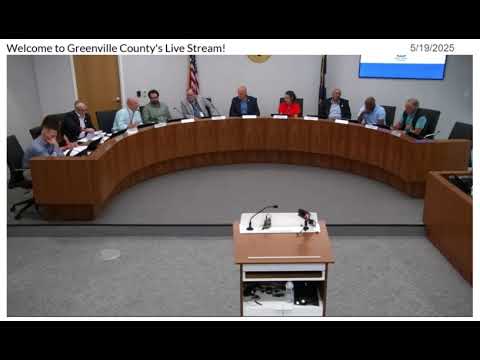
Greenville County Council members spent most of a workshop session debating whether to reallocate future Filo revenue toward roads and infrastructure and how to phase that change so it does not immediately reduce funding for school districts and small fire districts.
The discussion began after county staff reported that initial estimates of the proposal’s impact on other taxing entities had been larger than subsequent, more detailed breakdowns, and continued through debate about reserve use, credit ratings and a request from one council member for a commitment to spend at least $40 million on roads next year.
County Administrator: why the change was proposed and what the numbers show
The county administrator told council members the office examined gross and detailed collections and the way Filo receipts are allocated. “We have been studying this thing nonstop for several weeks now,” the County Administrator said, explaining that the county takes 31% off the top of every Filo, 1% goes to partner counties and the remainder is distributed pro rata among taxing jurisdictions based on millage. The administrator said an early, headline number that circulated — roughly $14,000,000 — was later reduced after detailed work, and staff has identified about $7,000,000 of year‑over‑year growth in Filo revenue through the end of April.
Nut graf: why the debate matters
Councilors said the stakes are county roads, the budgets of Greenville County School District and small fire districts, and the county’s fiscal reserves and credit rating. Several council members urged a phased approach and more outreach to affected entities so that municipalities, fire districts and the school district would have time to adjust their budgets.
Key details and proposals
- Initial and revised impact figures: Council members referenced an early estimate that suggested nearly $14 million in potential hits to other taxing entities; the County Administrator said further analysis reduced the net change in approach to about $5 million as staff refined allocations by district. The administrator said some public messaging used different numbers, and that a school‑district estimate of its impact came from the district’s side, not the county’s initial calculation.
- Growth vs. retroactive reallocation: Staff proposed using projected Filo growth going forward rather than clawing back prior collections. The administrator said the county can delay adoption of the second‑year budget (the FY2027 adoption) to allow additional time to analyze actual collections and base any reallocation on growth rather than taking funds already counted in other entities’ budgets.
- Proposed road funding level and fund mechanics: Under one scenario discussed, the county could preserve about $36 million for roads this year using fund balance and begin replenishing those balances with future Filo growth; with debt service items included (notably roughly $3 million for the Woodruff Road Bypass), the practical spending level discussed could approach $40 million. The administrator said the county started the fiscal year with roughly $80 million in its general fund and projects beginning next year with about $74 million.
- Concerns from school and small taxing entities: Councilors repeatedly flagged the effect on smaller fire districts and individual departments. One councilor noted that a half‑million dollar reduction to a small fire district with a roughly $3.1 million budget would be a significant loss. School finances also were discussed: one councilor cited the school system’s FY2024 audit, reporting total revenues in the billions and an approximate FY2024 excess of about $78.1 million that increased the school district’s general fund, which that councilor said is kept at an 8.5% policy target.
- Reserve policy and credit rating risk: Staff warned that using reserves below council‑adopted policy ranges (25–35%) could affect Greenville County’s credit rating. The administrator said rating agencies prefer steady, predictable fund balances and that fluctuations can take time to correct.
- Timing and outreach: Multiple councilors urged that affected taxing entities be given advance notice and the county should coordinate with the school board, fire districts and partner agencies (including the Greenville Area Development Corporation) to review allocation spreadsheets and correct any misunderstandings in public figures. Several councilors recommended delaying a final decision until November when the county would adopt the FY2027 budget so that other entities can plan.
Quotations and positions
The County Administrator summarized the allocation mechanism and staff work: “The county takes 31% off the top of every Filo, and 1% goes to the other partner counties, and the rest is divided up by millage based on the pro rata share of each entity that's within that district.”
Councilor McGaughey pushed for a firm commitment to begin a larger, sustained infrastructure program: “If everybody on this council will commit to spending a minimum of $40,000,000 of our budget next year on roads, I'll agree to that.”
Councilor Russo and others advocated phasing in any change so school districts and fire departments would not be forced to rework budgets mid‑cycle and recommended staff present a clear breakdown showing who receives what from each Filo so councillors and the public can understand the allocations.
What council actually decided
No formal vote was taken on reallocating revenue or on the $40 million road commitment during the workshop. The only formal action recorded at the end of the session was a motion to adjourn, which the council approved. Several members expressed informal agreement to pursue a phased approach and to delay adopting a permanent change until the FY2027 adoption window to allow additional data and outreach.
Next steps and outstanding questions
Council members asked staff for detailed, line‑by‑line allocation reports for each Filo showing how dollars flow to each taxing jurisdiction, and requested continued engagement with the school board and fire districts to verify numbers. Councilors also discussed exploring a future capital funding option (a sales tax referendum or bond) as a longer‑term means to finance infrastructure after exhausting internal options. The administrator and multiple councilors noted this session was one of several planned workshops and encouraged further review before any ordinance or budget amendment is adopted.
Ending
The council did not adopt any reallocation or budget amendment during the workshop; members agreed to continue analysis, provide more detailed allocation spreadsheets and pursue outreach with affected taxing entities before making a final decision in the FY2027 budget process.