Get Full Government Meeting Transcripts, Videos, & Alerts Forever!
Get email alerts on the Salary Compensation topic
No spam. Unsubscribe anytime.
Ithaca negotiators agree to return with salary grid after heated debate over step-and-lane and longevity bonuses
Summary
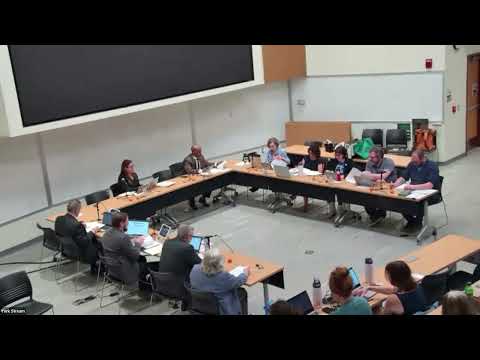
Ithaca City School District administrators and representatives of the Ithaca Teachers Association (ITA) spent the meeting debating competing salary proposals and agreed to reconvene after administrators prepare a concrete salary grid that fits the district's budget parameters.
Ithaca City School District administrators and representatives of the Ithaca Teachers Association (ITA) spent the meeting debating competing salary proposals and agreed to reconvene after administrators prepare a concrete salary grid that fits the district's budget parameters.
The union delegation, led by ITA speakers, pushed for a step-and-lane salary structure with larger, front-loaded raises to address what they described as a teacher retention crisis. ITA presenters said their analysis shows the district has lost large numbers of educators in recent years and that a predictable step-and-lane grid — coupled with multi-year increases — would make teacher pay “competitive, attractive, predictable, incentivizing,” and reduce turnover. An ITA speaker said, “Step and Lane works. Let's make it happen.”
District administrators, led by Superintendent Dr. Brown, presented a counterproposal that would provide a 4% base increase each year over four years plus a longevity schedule paid into base pay in five-year increments (5, 10, 15, 20, 25). Dr. Brown cautioned against using one-time fund balances to pay recurring costs, saying “using fund balances in reserve to fund recurrent cost is just bad fiscal management,” and noted limits imposed by the tax cap and uncertain future state aid.
The two sides debated implementation details at length. The district's package includes: a 4% base raise annually for four years, longevity payments that become part of base pay (for example, $750 at the first five-year increment and $1,500 at 10 years), a $1,000 split tenure bonus, and incentives for teachers to obtain certifications in high-need subject areas (with eligibility tied to actually teaching in those areas). The ITA said those incentives are “value add” but argued that a step-and-lane grid is the structural change needed to stop long-term salary compression.
Union presenters described persistent salary compression — instances where teachers with longer service earn less than later hires with the same credits — and cited turnover figures they said amount to roughly 90 one year and 40 another (the union clarified the larger 133 figure referenced in discussion covered two years). ITA representatives said the district spends roughly $1.5 million annually on recruitment and onboarding and that the district’s turnover rate exceeds state and national averages.
Administrators pressed for clearer budget line items so they can show which funds are committed to capital projects and which are available for recurring compensation increases. Dr. Brown said the district would not fund recurring salary increases by draining reserves and that auditors, bond ratings, and the tax cap constrain options. A district finance presenter said the district’s current unrestricted fund balance is “about $7,000,000” and that roughly $8,700,000 was budgeted to balance the next year’s budget.
After extended discussion and a short caucus break, district negotiators agreed to produce a step/grid proposal showing how roughly 19.68% total compensation increases over four years could be distributed as a grid (the number discussed by the district). The two sides set follow-up meetings and agreed to continue the conversation next week; administrators said they will share more detailed budget line items and the district’s public audit documents in advance.
The parties did not take any formal votes during the session. Instead they paused to caucus and set a time to reconvene with the requested materials and the proposed grids.
The negotiation remains active; both sides asked for further Q&A sessions with business office staff and committed to exchanging modeled salary grids and budget detail before the next meeting.