Get Full Government Meeting Transcripts, Videos, & Alerts Forever!
Get email alerts on the Governance Accountability Conflict Of Interest topic
No spam. Unsubscribe anytime.
Arcadia board outlines TASB evaluation, recusal policy for School Empowerment Network support
Summary
Arcadia’s proposed board told TEA it will use the TASB evaluation framework, monthly dashboards and regular chair‑superintendent meetings to hold leadership accountable. Board members said School Empowerment Network will provide in‑kind support but that involved board members will recuse themselves from any votes involving the nonprofit.
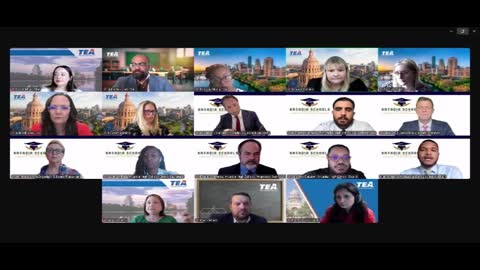
Arcadia Schools’ proposed board described governance and oversight practices to Texas Education Agency officials during a May 7 capacity interview, including an annual evaluation based on the TASB framework, monthly data dashboard reviews and written disclosures of in‑kind support.
Alan Anderson, the proposed board chair, told TEA that Arcadia will adopt an annual superintendent evaluation that follows the TASB framework and will include goal setting, monitoring and a written formative assessment. Anderson said he will meet regularly with the superintendent and the board will review a monthly dashboard covering academic performance, attendance, discipline and school culture so “we're never caught off guard.”
Applicants also addressed outside support and potential conflicts of interest. Alex Shube, CEO of the School Empowerment Network (SEN) and a proposed Arcadia board member, said SEN has provided in‑kind services during the planning period but emphasized the organization “has no current arrangement with Arcadia to receive any funds from the school and no expectation to ever move into a relationship as such.” Shube added that the board will recuse any members involved with SEN from votes involving SEN and that such relationships will be disclosed in the school’s annual audit as required.
TEA staff pressed the applicants on fundraising oversight and the board’s role in private fundraising. Board members said a finance committee including the treasurer, a finance‑committee chair and multiple board members will oversee fundraising and monitor private commitments. Jerry Nordbrock, the proposed treasurer, described his nonprofit finance experience and said he and the finance committee would “look line by line” to preserve instructional resources in any rebalancing.
On discipline and admissions, the board said the school’s handbook outlines disciplinary responses, that inclusion is the default, and that the board would review any high‑level admission or removal decisions, such as offenses involving weapons or multiple drug offenses. The applicants said they will rely on the director of student support services and advisory structures to prevent most disciplinary escalations.
TEA staff noted that any in‑kind support from a nonprofit associated with board members must be disclosed in the school’s annual audit; applicants acknowledged that disclosure obligation and said they will recuse conflicted members from relevant votes. TEA will evaluate governance structures, recusal practices and financial disclosures as part of its recommendation to the State Board of Education.