
Subcommittee on Social Security spotlights barriers to work for disability beneficiaries
Get AI-powered insights, summaries, and transcripts
Subscribe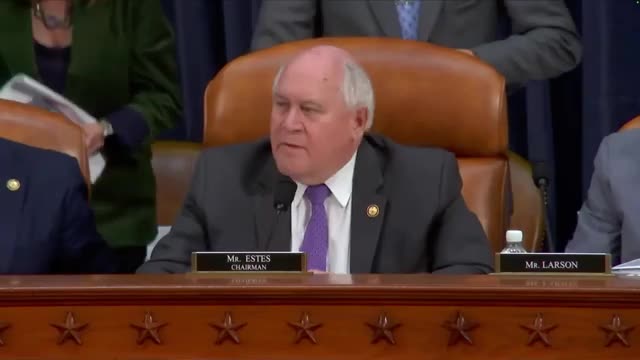
Summary
The House Ways and Means Committee's Subcommittee on Social Security opened a hearing focused on administrative barriers that discourage people receiving Social Security Disability Insurance and Supplemental Security Income from entering or remaining in the workforce, citing program complexity, overpayment risks and slow processes.
The subcommittee chair opened the House Ways and Means Committee's Subcommittee on Social Security hearing and said the session would examine barriers that keep Americans with disabilities from participating in the workforce.
The chair said the hearing was intended to explore how the Social Security Administration's return-to-work programs could be modernized to reduce red tape and financial disincentives for beneficiaries who want to work. "This is not just a statistic; it's a call to action," the chair said, adding the goal is not to remove benefits but to "remove the barriers that hinder Americans with disabilities from renewing, strengthening, or forging a connection with the workforce."
The chair framed the issue with several figures: "Today, there are 1,700,000 Americans missing from the workforce, while at the same time, we have over 7,000,000 open jobs," and said roughly 60% of Social Security Disability Insurance (DI) and Supplemental Security Income (SSI) recipients were interested in finding a job, gaining new skills, or advancing their careers. The chair and witnesses will examine whether administrative complexity, outdated processes and the risk of benefit overpayments discourage beneficiaries from taking or keeping work.
The chair noted prior engagement with the Social Security Administration, saying it had been "my pleasure to work closely with Social Security Commissioner Frank Visignano," and referenced a June visit and a recent meeting at a Social Security field office in Wichita as examples of ongoing coordination. The chair said the hearing aims to highlight where the Social Security Administration's management of benefits creates practical obstacles, including situations that can lead to overpayments and subsequent financial hardship for beneficiaries who find work.
During opening remarks the chair emphasized that reforms discussed would focus on modernizing communications and administrative systems rather than altering the fundamental purposes of DI and SSI. "This isn't about altering the fundamental purposes of DI and SSI, but about modernizing our programs to work more effectively," the chair said.
Witness testimony and later questioning will address specific administrative problems raised in the opening, including confusing program rules that often require third-party experts, slow agency processes, and how overpayment recoupment can deter continued employment. The hearing will collect those perspectives to inform possible legislative or administrative changes, though no formal actions or votes were taken during the opening remarks.