
Arlington sees surge in juvenile violent crime, staff member says
Get AI-powered insights, summaries, and transcripts
Subscribe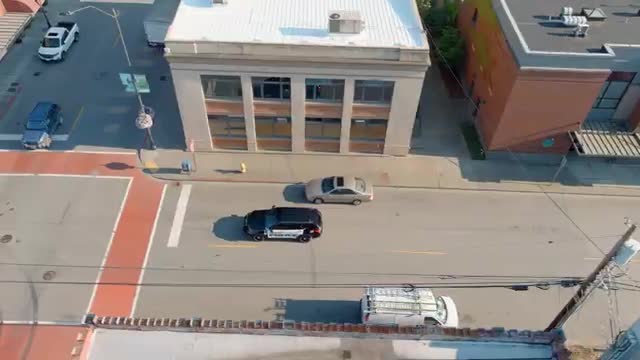
Summary
An unidentified Arlington staff member told a meeting that juvenile-involved violent crime—especially gun-involved offenses—has risen recently and that recent legislative changes have limited some traditional policing methods; the speaker described tools the department is using and emphasized intervention with schools, counselors and families.
An unidentified law enforcement official told a meeting that Arlington City has experienced a recent surge in violent crime involving juveniles, with an increase “particularly [in] gun involved crime.”
The speaker said legislative changes over the past few years have “unintentionally created some challenges for us to be able to conduct police work, particularly involving our juveniles,” and described steps the department is taking to adapt, including training, tactics and technology.
“Over the last few years in particular, we've seen a surge in juvenile involved in violent crime. Crime is up amongst our juvenile group over a wide range of different types of crime, but particularly gun involved crime,” the unidentified law enforcement official said. The speaker added that officers are working with “counselors and schools and the parents to try and help these kids” and called intervention “key for law enforcement.”
On the tools being used, the speaker listed a canine program, drone technology, license plate reader cameras and a “real time information center region wide in Snohomish County,” saying those resources help provide opportunities for intervention or to solve crimes officers respond to. “We have an opportunity as law enforcement to work with counselors and schools and the parents to try and help these kids who are engaged in particularly early violent crimes involving guns and drugs,” the speaker said.
The speaker noted limits on traditional policing methods but did not specify which statutes or rules had changed, nor gave numerical counts of incidents or arrests. The meeting record did not include a motion, vote, or formal directive on the topic.
Remarks that appeared in audio during the same segment included an apparent radio or on-scene recording with commands and references to a person “headed towards Highway 9,” but these interjections were not identified or described further at the meeting.
No formal action was recorded at the meeting on juvenile crime or on changes to policing tactics. The speaker emphasized prevention and intervention and described a multiagency approach involving schools, counselors and families; details on specific program funding, timelines or statutory changes were not specified in the meeting record.