
Quincy board discusses WASDA legislative priorities, flags funding and reengagement proposals
Get AI-powered insights, summaries, and transcripts
Subscribe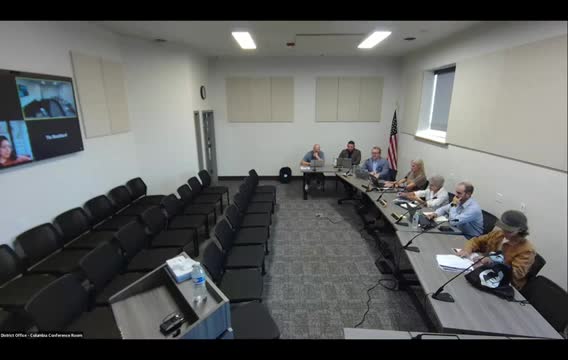
Summary
Board members reviewed proposed statewide priorities from WASDA ahead of the association’s Sept. 20 general assembly, signaling support for funding‑stability items and concern about proposals to lower reengagement age and increase board training mandates.
Quincy — Members of the Quincy School Board spent a significant portion of their meeting reviewing legislative and bylaw proposals being considered by the Washington State School Directors Association (WASDA) ahead of the association’s general assembly.
The discussion matters because WASDA’s adopted priorities inform the topics many school boards and their lobbyists take to Olympia; the Quincy board’s representative will cast a vote at the association meeting on Sept. 20.
The board’s legislative representative explained the WASDA process: districts submit proposals, committees make recommendations (do pass or do not pass), and delegates vote at the general assembly. Board members expressed strong support for proposals aimed at funding stability and consolidation of funding factors, saying stable funding is key to preventing local cuts. Several board members said current state requirements ask districts to run programs without commensurate funding.
Board members signaled opposition to several committee recommendations. On a proposed change to reengagement program eligibility that would effectively lower an enrollment age threshold, the board said it would oppose a change that would expand the program to younger students; one board member argued, “I would be a little hesitant with 16 just because to me, he's very young,” and others agreed the district should serve students through existing local alternatives before endorsing an age change.
The board also discussed governance proposals. One proposal that would change language to call “parents the primary stakeholders” drew split reactions; one board member said they intended to vote in favor despite the WASDA committee’s recommendation to not pass. Another governance proposal that would require more exhaustive training for volunteer board members drew concern for creating higher barriers to service; the committee recommended “do not pass” on that item, and several directors agreed with the committee.
Other topics the board supported for WASDA advocacy included consolidated funding factors for rural and small schools and language protecting officials and volunteers from harassment during extracurricular events; the board favored committee recommendations to “do pass” on many funding and student‑support items.
No formal board motions were taken at the meeting on WASDA positions; the board’s legislative representative said they would bring the board’s preferences to the WASDA general assembly and vote according to the consensus expressed during the review.