Get Full Government Meeting Transcripts, Videos, & Alerts Forever!
Get email alerts on the Animal Shelter topic
No spam. Unsubscribe anytime.
Hamilton shelter reports 95% live‑release rate; residents press for clearer behavior assessments and handling
Summary
Chris, a Division of Health staff member and shelter manager representative, reported that Hamilton’s animal shelter had a 95% live‑release rate in 2024, a 68% return‑to‑owner rate for dogs, and an on‑site census of about 37 dogs, 38 cats and 13 animals in foster care at the time of the report.
Chris, a Division of Health staff member and shelter manager representative, reported that Hamilton’s animal shelter had a 95% live‑release rate in 2024, a 68% return‑to‑owner rate for dogs, and an on‑site census of about 37 dogs, 38 cats and 13 animals in foster care at the time of the report.
The shelter report matters because it documents adoption and care outcomes while residents and volunteers raised operational concerns that, they say, affect animal welfare and public trust.
Chris said the shelter’s live‑release rate exceeded the 90% threshold commonly used to classify a facility as “no‑kill.” Staff reported volunteer hours (2,460 hours valued at roughly $82,000) and more than 3,700 dog licenses issued in 2024; five rabies clinics provided 870 vaccines. The shelter had repainted 36 dog runs and recoated nine floors. A new volunteer coordinator was hired to support volunteer scheduling, orientations and day‑to‑day volunteer engagement; the coordinator will share duties with the municipal tennis center and was slated to be on site for evenings and weekend hours.
On donations and medical support, Chris said donation funds are used primarily for “excessive medical costs” and that the shelter had in a recent year covered a $67,000 surgery partly through donations. Donations are also used to offset boarding or training when necessary. The shelter continues to accept material donations but notes storage limits.
Staff warned of a regional shortage of veterinarians willing to contract for municipal shelter work; after two unsuccessful bids in 2024 the shelter retained an existing veterinary partner in a limited capacity while onboarding a relief vet from a nearby practice. Chris said the shelter will continue to use multiple local veterinary hospitals for emergency and overflow needs.
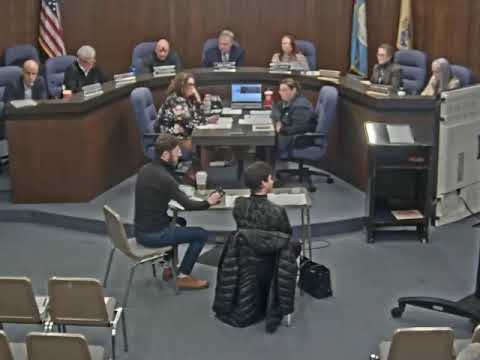
Public comments during the council portion of the meeting raised specific and repeated concerns about behavior assessments, handling and euthanasia decisions. Resident and shelter advocate Steve Clegg described a dog known as “Hercules,” saying an earlier decision to euthanize was averted after outside intervention but that subsequent assessments and handling had resulted in limited out‑of‑cage time and possibly worsened medical and behavioral outcomes. Clegg said behavior assessments had been “flawed” in prior cases and called for more consistent review and follow up. He asked for more transparency and for a process that allows additional assessment and handling opportunities for dogs flagged as reactive or difficult.
Resident Lisa Williams described multiple incidents of a loose dog that had come after her and said she had filed citizen complaints; she asked whether the municipality’s graduated fines and repeat‑offender provisions were being enforced. Municipal staff and the prosecutor’s representative explained that state and township ordinances set a general penalty framework that allows fines up to $2,000, jail or community service at judicial discretion, and that repeat‑offender penalties can be imposed, but plea negotiations and prosecutorial discretion affect individual outcomes.
Council members acknowledged both the shelter’s operational progress and the public’s concerns. A council member noted that an ordinance would not be the right vehicle to discipline employees and urged the public to allow staff time to implement the volunteer coordinator and other operational changes; Chris agreed to continue meetings with advocates and volunteers.
Other operational notes from Chris: there were temporary bottlenecks in cat intake and movement to the public adoption area over the holidays while staffing and vet transitions were handled; shelter staff continue to seek generator and phone upgrades (work awaiting permits and weather); the shelter has reallocated some rabies clinics to Switlik Park Pavilion while McManaman Building is under construction; and the shelter maintains an intake triage and quarantine process, including 45‑day quarantines for cats bitten by unknown animals.
Ending: Council and board members asked staff to continue outreach to volunteers and advocates and to report progress at future meetings. Several residents said they will monitor outcomes and asked for a clear timetable for operational improvements.