Get Full Government Meeting Transcripts, Videos, & Alerts Forever!
Get email alerts on the Public Health topic
No spam. Unsubscribe anytime.
Hamilton health department reports improved restaurant compliance, moves toward accreditation
Summary
Hamilton Township Division of Health told the Board of Health and council on Feb. 12 that restaurant compliance and temporary‑event inspections improved in 2024, accreditation steps are underway and countywide community health priorities will focus on behavioral health, housing and maternal/infant health.
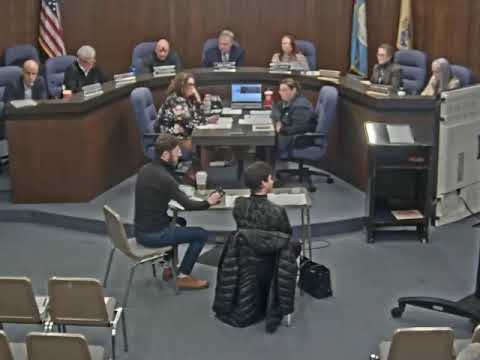
Chris, a Division of Health staff member, presented the Division of Health’s February 2025 update to the Hamilton Township Board of Health and council on Feb. 12, reporting improved restaurant inspection outcomes, growing clinic caseloads and continued work toward national accreditation.
The department’s work matters because its regular inspections and clinics influence food safety, immunizations and infectious‑disease control for Hamilton residents and the broader Mercer County public‑health partnership.
Chris said the department started a pilot in 2024 to inspect higher‑risk food establishments (so‑called “risk 3–4” operations) twice yearly and that overall compliance improved: the share of establishments passing routine inspection on the first visit rose from about 33% to 44%, and first‑to‑second inspection satisfactory rates rose from 33% to 55%.
The department also reported a 45% increase from 2022 to 2024 in temporary‑event permits handled by environmental health inspectors; those events include food trucks, school fundraisers and other weekend/after‑hours service. Chris said inspectors rarely turn vendors away because staff work with operators to reach compliance, but the growth contributed to overtime in the environmental section.
On clinical services, Chris said the STD clinic saw “just under a 40 percent increase” in clients between 2022 and 2024, and the child‑health clinic’s caseload rose about 16%, mostly Hamilton residents. The department continues school immunization audits; it reported 71% of schools passed an initial audit with complete records in the most recent round, up from 61% in 2023. Chris noted schools and day cares can face exclusion requirements if students lack required vaccine documentation and that day‑care flu vaccine rules are a frequent source of noncompliance.
On seasonal illness and zoonotic threats, Chris warned that influenza activity was high — “we have not seen levels like this since the nineties” — and urged residents to get vaccinated. Chris said avian influenza has been detected in Mercer County wildlife but that no human cases have been reported in New Jersey; residents should avoid contact with sick or dead birds and report carcasses to the township for pickup.
Chris reviewed the department’s accreditation timeline: the Division submitted initial documentation in January, had 12 documents returned for further review and uploaded the requested materials. Site‑visit interviews were described as likely in late spring or early summer, to be held virtually and in person; the visit would include governing‑body representatives and external partners such as hospitals and neighboring health departments.
Chris also summarized the Greater Mercer Public Health Partnership’s community health needs assessment and the countywide priorities Hamilton will help implement over the next three years: behavioral and mental health, equitable access to resources, housing and the built environment, and birthing‑person and infant health. Chris said the partnership produced a countywide Community Health Improvement Plan the department will use to align local strategic planning and measurable objectives.
The presentation included routine administrative updates: records retention and “streamlining” for a planned move to a new building, the department’s performance‑management tracking, and maintenance of an inventory of social services used to refer residents.
Kathy, a board member, praised inspectors’ work on higher‑risk establishments and credited staff for the pilot program that informed the expanded inspections.
The board and council did not take action on policy changes during the report; the presentation was informational. The Board of Health and council thanked staff for the report and invited further public questions during the meeting’s public‑comment period.
Ending: The department encouraged residents to get flu shots, to report sick or dead birds and to consult the Hamilton website for the Division of Health’s 2024 annual report and the community health needs assessment materials.