
Commission advances town-hall charter amendment after public push for evening meetings
Get AI-powered insights, summaries, and transcripts
Subscribe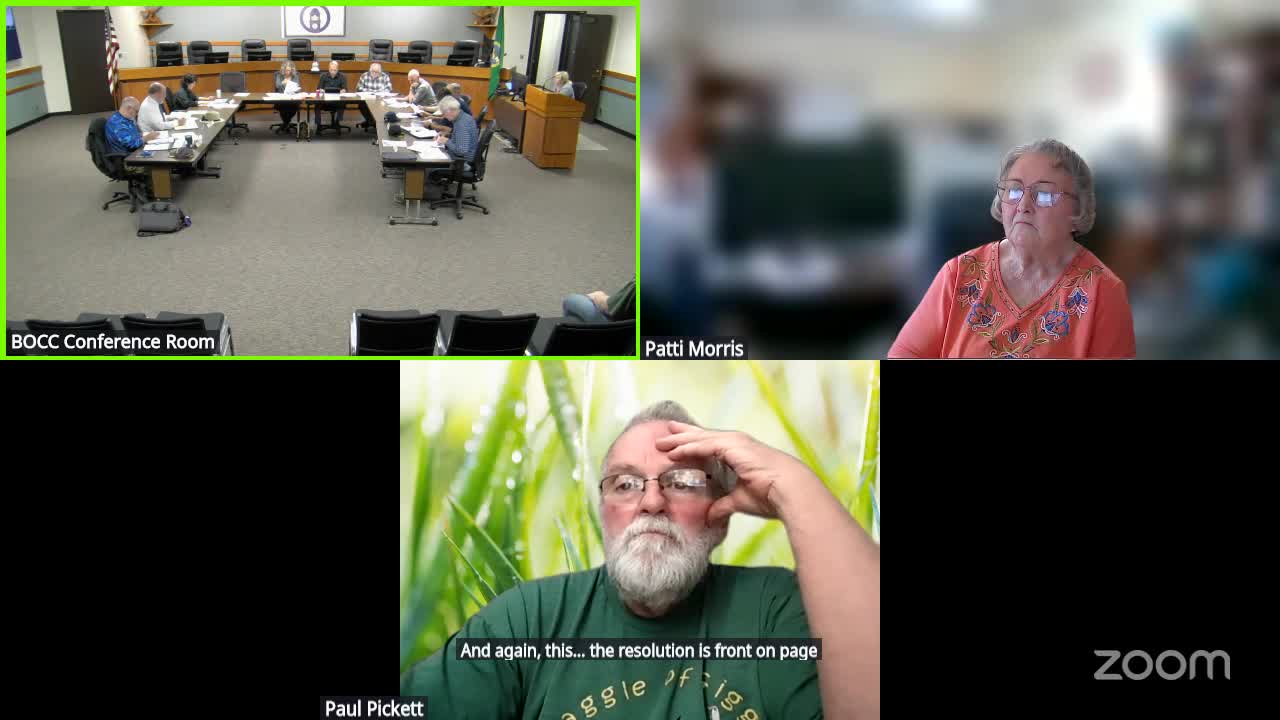
Summary
The Charter Review Commission moved a proposed amendment requiring each commissioner to hold at least one district town hall and one all-commission town hall per district each year to step 2. Public commenters urged evening scheduling and broader inclusion of elected officials.
The Charter Review Commission voted to advance to step 2 a proposed charter amendment that would require each county commissioner to hold at least one town hall meeting in their commissioner district each year, and require all commissioners to hold at least one town hall meeting in each commissioner’s district each year.
The amendment text calls for meetings to be “set [to] occur outside of normal working hours” and for notice to be posted at least 30 days in advance. If implemented as written, the requirement would produce six meetings annually (one solo town hall per commissioner in each district plus one all-commission meeting in each district).
Supporters said the change would increase access for working residents and strengthen local accountability. A public commenter, who identified as District 2 resident A. Telenik, read a letter criticizing the draft’s narrow focus and arguing it should require broader participation by other elected officials: “This charter amendment proposal should have included other elected officials besides the 3 commissioners,” Telenik said, urging the commission to keep the proposal from getting “into the weeds.”
Commissioners discussed definition and format concerns. Commissioner Pickett said the term “town hall” is not defined and warned that voters and organizers may have very different expectations: “I grew up in New England where a town hall was where the citizens voted to establish ordinances,” Pickett said, adding that some public forums called “town halls” are essentially moderated debates. Commissioner Richards noted that the draft’s supporting findings attempt to clarify the format for the commission.
The commission agreed to advance the item to step 2 for further drafting and clarification. Commissioners asked staff to prepare clearer explanatory language that could be used to educate voters if the amendment moves to a ballot.
Ending: The proposal will return to the commission for step 2 review, where members plan to refine definitions, scheduling expectations and voter-facing explanatory materials.