Get Full Government Meeting Transcripts, Videos, & Alerts Forever!
Get email alerts on the County Finance topic
No spam. Unsubscribe anytime.
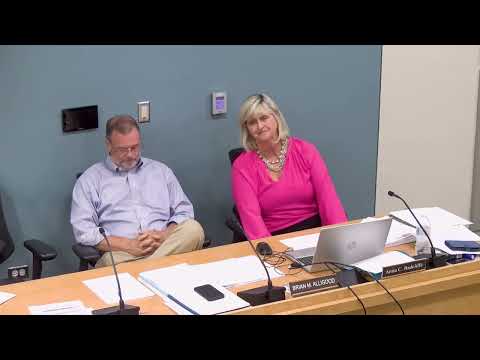
Beaufort County commissioners debate using fund balance for 10% tax cut
Summary
Commissioners and staff debated a proposal to cut the property tax rate by 10% funded from the county's unassigned fund balance, with finance staff warning against using one-time reserves for recurring costs and some commissioners pushing for spending cuts instead.
A proposal to reduce Beaufort County's proposed property tax rate by 10% and fund the reduction from the county's fund balance prompted a sharp debate during a budget workshop.
The motion to cut the tax rate by 10% "money to come from the fund balance" was introduced as a straw motion but failed in the roll call straw vote.
County finance staff told commissioners the unassigned general fund balance is projected at $26,700,000 at 06/30/2025, about 35.7% of annual expenditures, and reminded the board the county's fund balance target policy is 35%.
The commissioner proposing the tax cut argued the county was "sitting here on a pile of money, fat and happy," saying a 10% cut would return about $4 million to taxpayers and calling the move a "no expense tax reduction." The finance officer cautioned against using savings for recurring spending, saying, "you do not ever want to use fund balance or your savings to pay for recurring expenditure item. It's fine to use it for 1 time capital, but it works very much like your own personal savings account." The finance officer urged that if taxes were cut by 4 cents (example used in discussion) the board should also cut programs accordingly.
Other commissioners pressed operational and emergency-reserve arguments: one asked what state law requires for minimum fund balance, and was told the statutory minimum is about one month of operating capital (described in the meeting roughly as "1 month operating capital" / "1/12"). Commissioners also discussed the county's credit capacity and borrowing in an emergency; one said borrowing could bridge a gap in a disaster while another argued FEMA or state/federal response had historically been available.
The board then took a straw vote on the tax-cut motion; the count produced a tie/push and the motion did not pass.
Why it matters: The debate highlights a recurring budget tension—returning one-time reserves to taxpayers versus preserving a sizable fund balance to guard against emergencies and maintain fiscal ratings. The finance officer framed the policy choice as one between one-time uses for capital and preserving ongoing funding for recurring obligations.
Discussion vs. decision: The tax-cut proposal was a straw motion and did not result in an ordinance or binding change to the tax rate during the workshop. Finance staff provided the projected unassigned fund balance and policy target. Commissioners were directed to consider alternatives (spending cuts versus reserve draws) in later budget sessions.
Ending: The commissioners moved on to budget adjustments and a public hearing was scheduled; the panel did not adopt a tax-rate change in this workshop.