Get Full Government Meeting Transcripts, Videos, & Alerts Forever!
Get email alerts on the Immigration Policy topic
No spam. Unsubscribe anytime.
Residents urge Princeton to back Immigrant Trust Act; council refers model resolutions to CARES committee
Summary
Dozens of residents and students urged the Princeton mayor and council to adopt a resolution supporting the Immigrant Trust Act during a lengthy public-comment period. Mayor Frida and other council members said the town cannot enact the state bill itself and directed the CARES committee to review model municipal resolutions and report back.
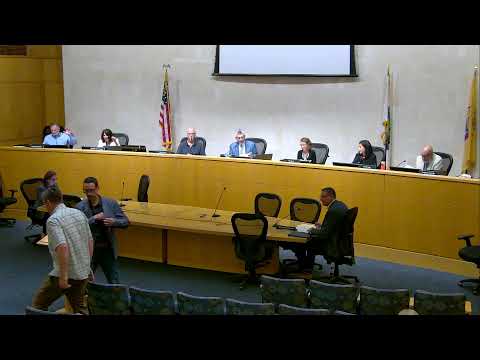
Dozens of Princeton residents and students urged the mayor and council on July 14 to adopt a local resolution in support of the Immigrant Trust Act and other protections for immigrant residents. Many speakers said the town should signal its support immediately; council leaders said they could not pass the state law locally but would ask the municipal CARES committee to review model resolutions and return with recommendations.
Supporters said a local resolution would reassure families who they said are living in fear of federal immigration enforcement. "The fear is real," said Catherine Gonzalez, a Princeton resident. "Pass the Immigrant Trust Act resolution," she added, describing childhood memories of raids near her home.
The public comment period, which lasted well over an hour and included students, workers and organizers, centered on two linked points: callers asked the council to adopt a public statement joining other New Jersey municipalities, and asked municipal leaders to tighten local policies that direct how municipal agencies and police interact with federal immigration authorities. Speakers repeatedly referenced the statewide proposal, the Immigrant Trust Act, and a 2018–2019 Attorney General directive that limits certain municipal cooperation with Immigration and Customs Enforcement.
Mayor Frida told the room that "we cannot do that. That is a state action, not a local action," referring specifically to passage of the statutory Immigrant Trust Act. He said, however, that the council is taking steps: "We have asked our CARES committee to review models of that resolution that other communities have passed and then come back to the council at a future date with their recommendations," he said. Later in the meeting the mayor said he and Councilman David Cohen had already drafted a Princeton-specific resolution and that the CARES committee would review it.
Speakers from community groups and campus organizations framed the request as both symbolic and practical. Marl Sahib Jami, a postdoctoral researcher at Princeton University, said the language of a resolution would "set a new tone, language, and culture for Princeton, including its law enforcement bodies." Resistencia/Accion and the Greater Trenton branch of Democratic Socialists of America, among other groups, urged the council to act quickly and publicly.
Council members and staff clarified several limits and next steps during the meeting. Several council members repeated that a municipal resolution would not change state law; instead, council discussion focused on drafting local language that aligns with existing departmental directives and that would not create legal conflicts. Councilman David Cohen and other members said they supported moving forward carefully to avoid unintended consequences and to coordinate with municipal legal staff.
No formal council vote on a resolution was taken July 14. Instead, the council directed the CARES committee to review model resolutions and return recommendations; the mayor said a draft tailored to Princeton had already been prepared by him and Councilman Cohen. The council also noted the importance of community outreach and language access as part of any next step.
Public speakers urged timely action. "Passing this resolution would set a public foundation for future action," said a university graduate student who asked the council to codify protections locally. Others, including health-care providers and teachers, warned that fear of enforcement reduces access to medical care and educational opportunity.
The council did not set a date to consider a final resolution; members said they expected the CARES committee to present findings and suggested language at a future meeting. Community organizers said they will continue to press the council and offered to meet with staff to help draft accessible, translated materials for affected residents.