Get Full Government Meeting Transcripts, Videos, & Alerts Forever!
Get email alerts on the School Budget topic
No spam. Unsubscribe anytime.
Board approves $512,536 in FY26 budget cuts after Aug. 12 referendum
Summary
The Baldwin Board of Education approved $512,536 in reductions to the district's proposed fiscal year 2026 budget, cutting salary and benefit lines, student support services and systems management after a summer finance review and an Aug. 12 referendum.
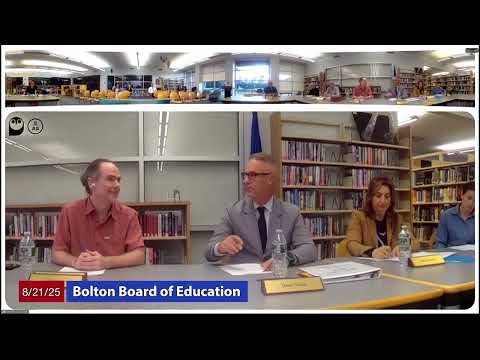
The Baldwin Board of Education voted to cut $512,536 from the district's proposed fiscal year 2026 budget, approving reductions to salary and benefits, student support services and systems management. The reductions followed a narrow Aug. 12 budget referendum and a summer finance-committee review that recommended specific cuts. Board members said the vote and public feedback indicate continuing budgetary pressure for the district. Ashley, reporting for the finance committee, said the committee reduced the proposed budget by $20,000 in mills, with $15,000 attributed to the board of education and $5,000 to the board of selectmen, and described the Aug. 12 referendum as a close result. "The vote was very close," Ashley said, and warned that "we'll have to continue to start the next budget cycle almost immediately because I think this... pressure is here to stay." Amber, who presented the board packet's recommendations, summarized the line-item reductions the board approved: $410,907 from salaries and employee benefits, $100,302 from student support services and $1,327 from systems management, for a total reduction of $512,536. The board voted on a single consolidated motion to apply those cuts; the motion passed by voice vote. Board members also noted that the district previously set a temporary mill rate of 31 and later approved a mill rate of 32.3 after the referendum. The transcript records the referendum result as "6.50 yes to 5.93 no," but the meeting did not clarify the units or further detail on that phrasing; board members described the margin as narrow. There was no roll-call tally provided in the public record for the budget-motion vote; the motion was approved by voice vote. Board members said they expect ongoing budgetary pressure and indicated plans to begin planning for the next fiscal cycle promptly. The board also moved other routine agenda items during the same meeting but did not take additional public fiscal action beyond the cuts described here.