Get Full Government Meeting Transcripts, Videos, & Alerts Forever!
Get email alerts on the Food Service Procurement topic
No spam. Unsubscribe anytime.
Board approves multiple food-service policies while debating RFP for vendor selection
Summary
The Palmetto Aerospace Academy board approved a package of food-service policies and discussed selecting Revolution Foods as a meal vendor after a two-proposal RFP; attorneys concluded the procurement complied with USDA rules, but board members pressed about fairness, posting and post-deadline price changes.
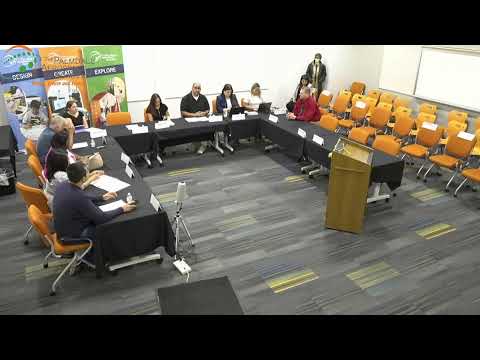
The Palmetto Aerospace Academy Board of Directors on Wednesday approved several food-service policies and spent an extended portion of its meeting discussing a request-for-proposal for a meal vendor and related procurement concerns.
Board members voted to adopt a suite of nutrition-related board policies covering the child nutrition program, food-service operations as a self-supporting nonprofit, limitations on other food sales during the school day, a nondiscrimination statement for nutrition programs, and a new employee meal-charge policy limiting staff credit to $10.50. Each policy was presented, moved and seconded, and approved by voice vote during the meeting.
The most contested item was the board’s review of an RFP process that produced two proposals and a staff recommendation to contract with Revolution Foods. The academy’s presenter explained that a five-person review team that included Director of Food Services’ assistant Miss Safada and board members Mister Schatz, Mister Riley and Miss Lynch evaluated proposals on multiple criteria, not price alone, and conducted a site visit of the competing vendor. "We followed every—everything as instructed within the RFP," the presenter said when asked to describe the procurement steps and public-notice timeline.
A second vendor sent a letter alleging the district did not follow a proper process; staff said the vendor later tried to submit a reduced price after the RFP deadline. Attorneys advised the board that accepting a post-deadline price reduction without offering the same opportunity to other bidders would create fairness concerns. The presenter said attorneys provided a written response concluding the district was not out of compliance with procurement rules in the protest letters.
Board members pressed staff on why the district would choose a vendor that initially quoted a higher price when a late reduction was offered. One member asked, "I don't understand why we would pay more instead of offering the opportunity to another vendor to pre-bid," and staff responded that negotiations are allowed after a vendor is selected and that any negotiation must be disclosed fairly to all bidders to avoid a violation.
Staff also told the board the district’s existing contract expired June 30, leaving the district temporarily without a signed food-service contract at the start of the school year. That gap, staff said, prevents the district from receiving federal reimbursements until a contract is in place; the district had arranged short-term food purchases for the first days of school while completing procurement.
Staff said Revolution Foods has served the district for years, under a prior corporate name, and that the RFP review committee judged the competing proposal weaker on readiness, required approvals and menu development. The presenter said if the board approves Revolution Foods, staff will enter post-selection negotiations and attempt to secure the reduced price the company offered after the deadline.
Discussion: board members debated (1) whether the RFP posting and outreach were adequate to attract bids, (2) whether the review weighted non-price factors appropriately, and (3) the legal and fairness implications of post-deadline price changes. Attorneys and staff described steps taken to document the process and to consult the California Department of Education (CDE) on procurement compliance.
Clarifying details recorded during the meeting included: the RFP produced two proposals; Revolution Foods has served the district for roughly a decade under a prior name; the district had $0 signed vendor contract after June 30 and needed a vendor immediately to maintain meal service; and the RFP scoring considered quality of food, readiness to perform and price, with only one scoring element devoted to price.
The board did not record a separate, explicit roll-call vote on the RFP selection in the provided transcript; motions to approve several board policies were recorded as passed by voice vote. Staff said that if the board approves the Revolution Foods recommendation, staff will proceed to post-selection negotiations and attempt to confirm the lower price offered by the vendor after the RFP deadline.
The board’s actions mean the district has new written policies for nutrition operations and an approved cap on staff meal credit, and procurement staff expect to finalize a vendor contract quickly to restore full federal reimbursement flows.
Ending: Attorneys provided a written opinion staff said found no procurement violation in the letters received from the unsuccessful vendor; staff will forward that letter to the board and said it will begin post-selection negotiations if the board approves the RFP recommendation.