Warren Township updates special education audit progress, outlines staffing and program options
Summary
District special education leaders told the board on July 29 that professional development, case‑management realignment and increasing placements in general education are the three main audit priorities; the district is expanding co‑teaching and evaluating staffing and specialized programs including potential BCBA support.
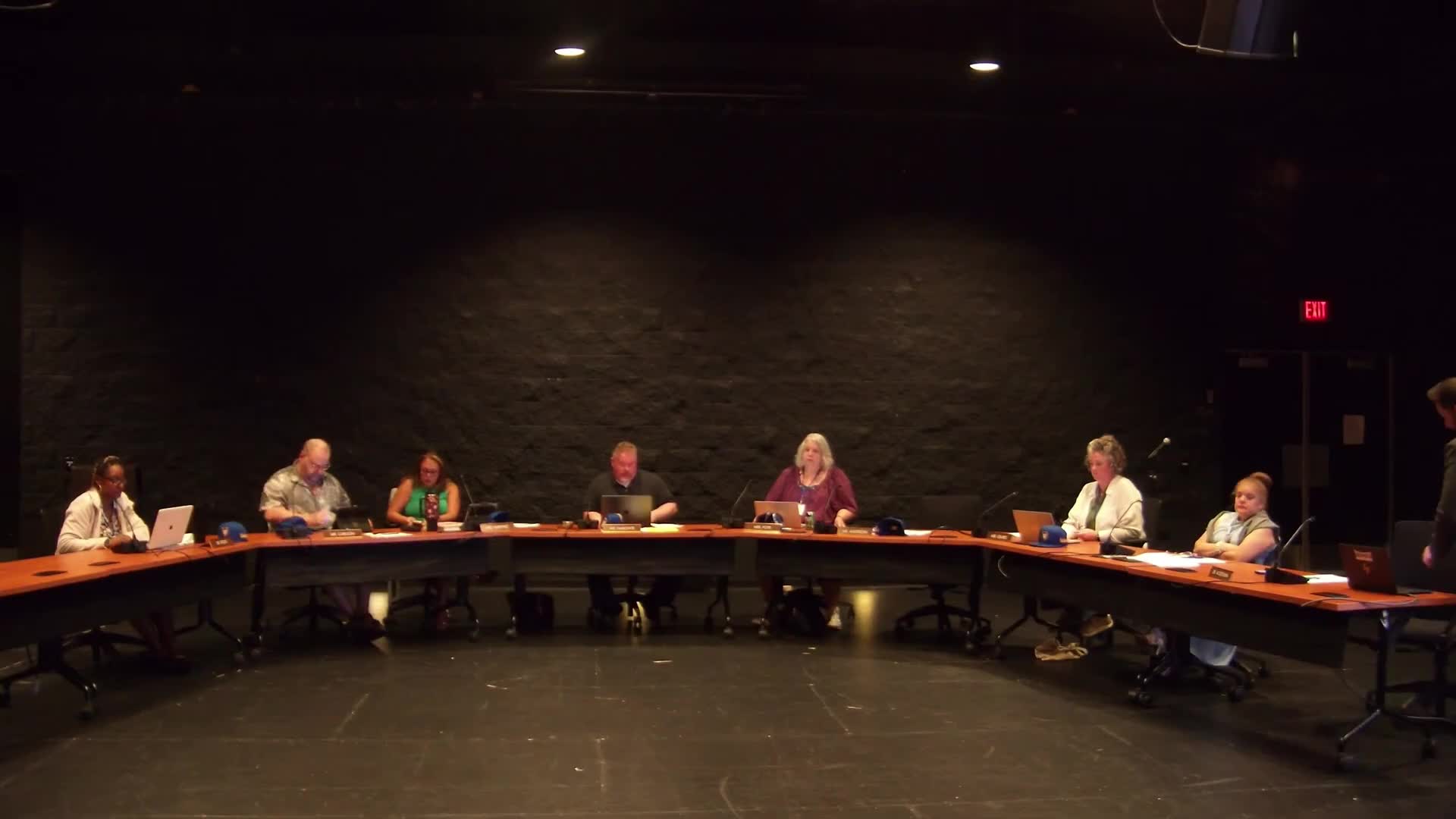
Tara Garland, director of special education for Warren Township High School District 121, told the board at its July 29 meeting that the district has acted on the three main findings from its FY24 special education needs assessment and is planning further changes in staffing and programs.
"First thing was professional development for all staff. Second main focus was our, case management model and realigning staff responsibilities. Third 1 was to focus on our least restrictive environment," Garland said, summarizing the audit’s principal recommendations.
Why it matters: the district said the work affects how students with disabilities are served daily, the staff the district must hire or reassign, and where programs will be located. Board members heard that some changes will require added full‑time equivalents (teachers and paraprofessionals), related‑service staff and possible classroom construction.
What the district reported: Garland and her colleagues described three broad lines of work. First, professional development: the district expanded co‑teaching training with a consultant from Catalyst for Educational Change, offered a 10‑session paraprofessional series in partnership with True North, and plans further sessions for certified staff. The district said it will provide onboarding PD for new paraprofessionals and targeted training on writing high‑quality IEPs.
Second, case management and role alignment: a case‑management committee completed a SWOT analysis that identified strengths (streamlined administrative communication and increased accountability) and weaknesses (large caseloads that limit relationship building and uneven involvement of special education teachers in IEP development). The district said it temporarily reduced a teaching section at one campus to create a part‑time case manager midyear, which lowered caseloads and allowed more frequent student contact.
Third, least restrictive environment (LRE) and placement data: Garland presented the district’s child‑count snapshot used for state reporting and said the district saw a roughly 7 percentage‑point increase in the share of students educated at least 80% of the day in general education (the district called this the “green” category). She said there was a 4% decrease in the share of students spending less than 40% of the day in general education and a 2% decrease in students educated off‑site; Garland cautioned the board that child‑count figures are a single moment in time and can fluctuate.
Co‑teaching and placements: Garland said co‑teaching requests used for planning rose from 152 in FY25 to 205 for the coming year, and described work to sustain and expand co‑teaching teams. She said co‑taught classes are general‑education classes staffed to support students with IEPs and that the district’s goal is to provide services in less restrictive settings when appropriate.
Specialized programming and staffing needs: the presentation said adding specialized programs would likely require new hires and roles such as a board‑certified behavior analyst (BCBA), additional related‑service staff, a nurse and an assistive‑technology facilitator; it would also carry construction and training costs. Garland noted seven students who received instruction in private therapeutic settings are scheduled to begin part‑time transitions back to district programs in the coming weeks.
Next steps and timing: the district listed ongoing work on PD, a completed set of shared co‑teaching expectations, and an expected decision on case‑management models in 2025. District staff told the board there were no formal action items on the agenda and that further planning and possible budget decisions will follow.
Board reaction and context: board members asked about history and growth of co‑teaching (Garland reported co‑teaching began in 2012 and has expanded), how the district manages paraprofessional turnover (onboarding and lead paraprofessionals at each campus), and outreach to feeder districts for transition and articulation work. Garland and colleagues described a November‑to‑spring outreach schedule with feeder districts for incoming students with IEPs.
The board took no formal vote on these items at the July 29 meeting; administrators said they will return with recommendations and implementation details as planning advances.