Get Full Government Meeting Transcripts, Videos, & Alerts Forever!
Get email alerts on the Short Term Rentals topic
No spam. Unsubscribe anytime.
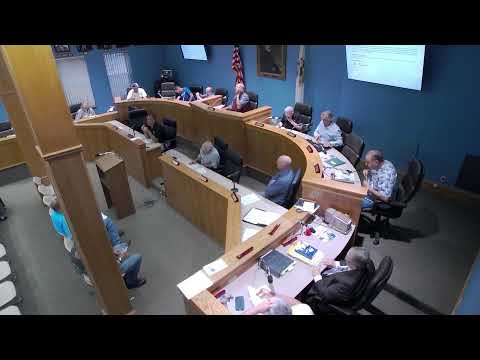
LaSalle council starts process to study short‑term rental rules, cites compliance and revenue questions
Summary
Council voted to begin drafting or amending ordinances on short‑term (transient) residential rentals after complaints about unlicensed rentals; members discussed registration, existing 5% revenue agreement with Airbnb and enforcement for rentals exceeding 30 days.
The LaSalle City Council voted to begin the process of drafting or amending ordinances regulating short‑term (transient) residential rentals after members raised complaints about a property operating as a longer‑term rental that neighbors said had frequent occupants and construction activity.
Alderman Demas moved to start the ordinance process; Alderman Reynolds seconded. Council members said the goal is to clarify rules and improve compliance, not to disrupt legitimate short‑term operators who maintain properties for tourist demand.
Council discussion focused on two enforcement categories: properties that are truly short‑term (transient) rentals and properties that exceed the city’s residential rental threshold (more than 30 days). City staff and the city attorney reminded the council that units occupied for more than 30 days are subject to the residential rental ordinance and should be registered and inspected under that code rather than treated as transient rentals.
Council members and staff also discussed revenue and compliance mechanisms. City staff noted the city currently has a revenue agreement with Airbnb that makes those hosts visible to the city’s collections process; other platforms such as VRBO or direct listings may not be captured without further outreach. “If they are registered with Airbnb specifically, we see that revenue because we have the agreement with Airbnb,” a city staff member who provided the council’s handout said.
Several council members urged a practical approach that preserves legitimate short‑term rentals that bring visitors to town while providing an avenue to identify and pursue property owners already out of compliance with the residential rental code. The council approved a motion to start ordinance development; members directed staff to investigate compliance options, reporting back with draft language and potential enforcement steps.