Get Full Government Meeting Transcripts, Videos, & Alerts Forever!
Get email alerts on the Nuisance Ordinance topic
No spam. Unsubscribe anytime.
LaSalle council declines proposal to raise minimum nuisance fines for grass and weeds
Summary
A motion to direct the city attorney to draft an ordinance raising minimum nuisance fines (for grass and weeds and similar violations) to $200 failed on a 2–4 vote after council debate about discretion for hearing officers and enforcement priorities.
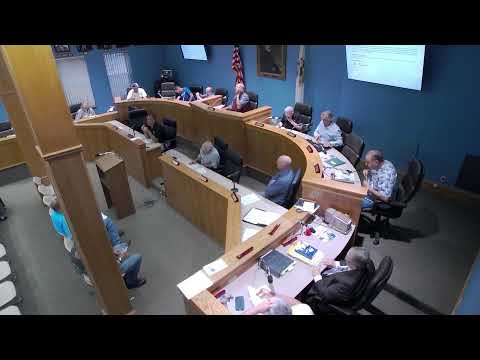
A motion to direct the city attorney to draft an ordinance setting a $200 minimum fine for nuisance violations, including high grass and weeds, failed after a 2–4 vote at a LaSalle City Council meeting. Alderman Adam Dimas moved the change as a way to increase deterrence; Alderman Reynolds seconded the motion.
The proposal would have changed the current nuisance fines — which speakers said vary widely and can range from small amounts to several hundred dollars — to a minimum $200 first offense and up to $500 for subsequent offenses. “If you’re paying $50 and you’re mowing the yard, trust me, if you made $200 you’re not gonna do it,” Alderman Adam Dimas said when introducing the change.
The council’s chief legal advisor explained that city code currently provides a range of fines and that hearing officers have discretion, including the ability to impose per‑day fines for ongoing violations. The city attorney told council members that raising a statutory minimum would limit hearing officers’ ability to go below the minimum without dismissing charges.
Police and code‑enforcement staff described how they handle repeat offenders and landlords. The police chief said officers and code staff divide the city for inspection effort each spring and that staff sometimes work with residents who report they cannot pay. Code enforcement staff noted that, in addition to fines, the city charges property‑cleanup costs when crews mow or remediate a violation.
Council members who opposed the motion cited the need for discretion on a case‑by‑case basis and concerns about potential legal challenges if statutory minimums removed established enforcement flexibility. The motion failed on the recorded vote; proponents said they will continue to work with staff on enforcement options and on drafting any ordinance language for future consideration.
The council treated this item as discussion to give direction to the city attorney; members were told an ordinance would be prepared for a future meeting only if the council directed staff to proceed.