Get Full Government Meeting Transcripts, Videos, & Alerts Forever!
Get email alerts on the Audit Time Of Service topic
No spam. Unsubscribe anytime.
County auditor flags inconsistent 'time-of-service' payments to elected officials; commissioners delay signing audit letter
Summary
State legislative auditors told county commissioners their 2024 financial audit found inconsistent application of a "time of service" benefit for elected officials and recommended cleaning up the county policy manual. Commissioners split on signing the required representation letter; the vote failed and the matter will return to a future meeting.
Pennington County commissioners heard the State of South Dakota 2024 financial and compliance audit on Sept. 2 and were told auditors found inconsistent application of "time-of-service" payments for elected officials, prompting a recommendation to clarify the county policy manual.
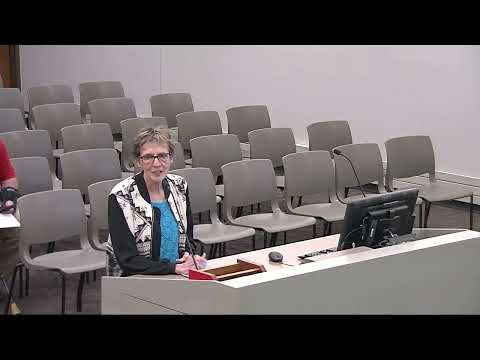
Bruce Litz, a manager with the South Dakota Legislative Audit, told the board the auditors completed fieldwork on the 2024 audit and that the office planned to release the report in the coming days. "We finished up the 2024 audit. I think it should be released this week," Litz said during his presentation.
The audit team told commissioners the county handbook and related wage/resolution documents did not clearly define whether elected officials were eligible for a time-of-service bonus and that the policy had been applied inconsistently since 2019. "Our conclusion was to clean up the policy manual and move forward," Litz said. The auditors said they had not identified fraud but recommended clarifying language and consistent practice.
Why it matters: auditors warned that failure to finalize the audit by the end of September could trigger additional federal testing under uniform guidance. Litz told commissioners the audit could not be released until a representation letter — a standard document that confirms management's statements to auditors — was executed, but some commissioners raised unresolved questions about the time-of-service issue before they would sign.
Commission discussion focused on whether the auditor general's findings required repayment requests, further legal review, or public disclosure. Commissioner Drews pressed for additional legal opinions or a follow-up special report on the time-of-service payments, saying the item merited more study before committing the chair's signature. "Maybe we need another opinion of the attorney general or somebody else on this then," Drews said during the discussion.
Commissioner Rosknecht and other members said the auditors' written recommendation — to revise the policy manual and document the error — should be acted on but that the representation letter was a standard audit-close requirement. After discussion, a motion to sign the representation letter failed (vote tied), and commissioners agreed to revisit the item at the next regular meeting so the absent chair could participate.
What the auditors said about risks: the audit team told the board that continued delay in releasing the report could cause the county to be designated a higher-risk entity for federal compliance testing. Litz said that if the report is not released by Sept. 30 the county may face more extensive federal testing next year.
Next steps: Commissioners asked staff and auditors to draft a path forward — the county's HR and legal offices will review the policy manual language identified by auditors, the board asked that a special follow-up report be considered, and the representation letter decision will return to the next meeting. Commissioner Rosknecht suggested the board could ask the auditor general for a separate special report if commissioners want deeper follow-up.