Get Full Government Meeting Transcripts, Videos, & Alerts Forever!
Get email alerts on the Beekeeping Zoning topic
No spam. Unsubscribe anytime.
Murrysville residents urge council to distinguish backyard beekeeping after citation
Summary
A Murrysville resident told council he was cited under zoning rules that classify bees as livestock; neighbors and educators asked the municipality to create separate rules for hobby beekeepers and the solicitor urged a timely appeal while council agreed to investigate ordinance changes.
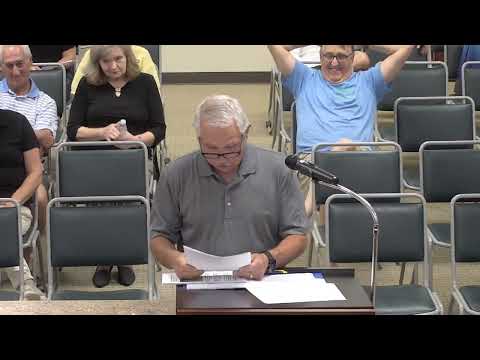
Carl DiPietro, a Murrysville resident and backyard beekeeper, told the council he was cited under local rules that treat honeybees like livestock and said the citation requires 10 acres to keep bees.
DiPietro told the council, “I'm a backyard beekeeper, and I kept the bees for over 10 years.” He said he maintains three registered hives and has broad neighborhood support, presenting a packet of signed statements from neighbors and letters from schools where he has given presentations.
The matter drew more than a half-dozen speakers during community input, many of them neighbors who described regular contact with the hives and offered firsthand accounts of no negative incidents. Neighbor Bob Myers said the boxes are “not intrusive at all” and that he has not been stung in six years of living nearby. Educator Samantha Edmonds, who said she is not a Murrysville resident, provided a written statement describing multiple school visits and recordings DiPietro made for classes and asked the council to “consider all that Carl contributes through his beekeeping.”
Municipal staff and the solicitor explained why the citation occurred and what steps are available. A staff member noted that bees are currently treated in Murrysville’s zoning language under livestock and that DiPietro’s property falls in an R‑2 zoning district; because of that placement, the keeper would need to pursue a conditional‑use appeal. Solicitor Wes Long advised, “You have to do that within 30 days,” and later told DiPietro, “If you have a copy you can give to Wes or email to us, we'll happily take a look.”
Council members said they would investigate whether the zoning ordinance should be amended to distinguish hobby backyard beekeepers from larger, commercial operations. A council member summarized the next steps as twofold: DiPietro should timely file an appeal of the zoning notice to preserve his rights, and the municipality will review model municipal language and the existing ordinance to determine whether a change is warranted.
The public comment period included multiple residents offering neighborhood addresses and support; several said hobby beekeeping is common locally and helpful to gardens and children’s education. DiPietro told the council he keeps roughly one acre at his property and said model legislation from the Pennsylvania Beekeepers Association and Penn State’s pollination center draws a distinction between small backyard hives and large apiary operations.
Council did not take a formal vote on ordinance changes at the meeting. Instead, staff and the solicitor agreed to review materials and research whether an amendment to the zoning ordinance or a clarified permitting path for hobby beekeepers is appropriate. DiPietro and others were encouraged to provide the model language and to pursue the appeal process if they wish to preserve their rights.