Get Full Government Meeting Transcripts, Videos, & Alerts Forever!
Get email alerts on the Shelter Operations topic
No spam. Unsubscribe anytime.
OpenAndrew Shelter expands outreach, training and cooling access as heat rises
Summary
Shelter leaders described lower overnight occupancy, new staffing structure, plans for de-escalation training and expanded cooling access when temperatures exceed 100°F; city partners discussed using Everbridge alerts to notify residents of cooling locations.
OpenAndrew Shelter leaders said they are increasing staff training and case management while maintaining daytime services and standing ready to expand hours during extreme heat.
"I'm Daniel. I'm the new operations manager at OpenAndrew Shelter," Daniel said, introducing himself and the shelter's priorities. He told the meeting his "main goal is increase the case management, which might help with resources and planning and getting people into permanent housing." Daniel said he plans to get certified through the Crisis Prevention Institute for de-escalation training for shelter staff.
Shelter staff reported that overnight occupancy is low this summer; the meeting included a staff estimate of about 30 percent occupancy at night. Staff said the shelter is open for showers and daytime services 11 a.m. to 4 p.m. on three days a week (including designated laundry and shower days), and that the schedule will be adjusted when heat advisories or temperatures of 100 degrees Fahrenheit or higher are forecast.
City officials and public-health partners described other cooling options: the burn center is open 7 a.m. to 11 p.m., and the city lobby is available during normal business hours. Officials discussed using the Everbridge alert system to notify signed-up residents when extra cooling or shelter hours are open; the mayor said dispatch could push messages as well if needed.
Why it matters: shelter staffing and training affect how staff respond to trauma and crisis, and heat-response hours and public-notification systems are primary tools to protect people during extreme temperatures.
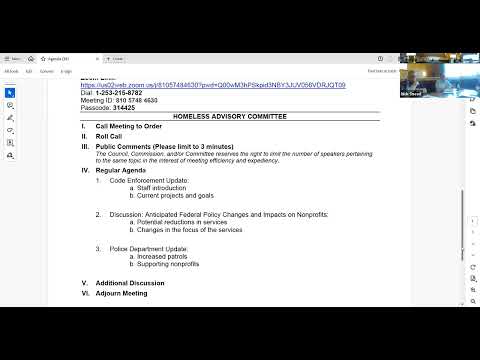
Discussion vs. decision: the meeting recorded plans and operational changes (training, increased case management, hours adjustments tied to temperature thresholds) but no formal vote. Police representatives said they will support shelter operations as staffing allows and that some officers are interested in additional crisis-intervention training.
Less critical details: shelter leaders said they have improved written personnel policies and security at night; families with children have stayed multiple weeks recently; staff reported a period of turnover followed by targeted hiring.