Get Full Government Meeting Transcripts, Videos, & Alerts Forever!
Get email alerts on the Broadband Infrastructure topic
No spam. Unsubscribe anytime.
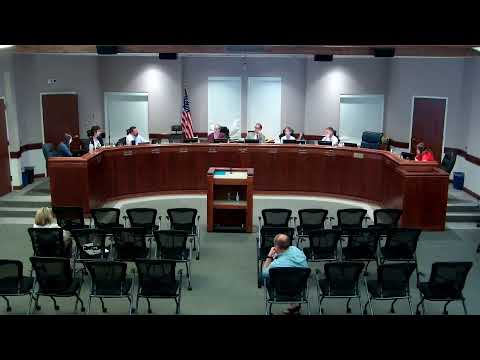
Utopia Fiber tells Centerville council network growth, wildfire camera pilot and bond reimbursements
Summary
Utopia Fiber executives updated the Centerville City Council on Sept. 2 on subscriber growth and take rate, a pilot wildfire-detection camera project, air-quality sensors, competition from a new fiber provider, and ongoing reimbursements tied to UIA bond payments.
Roger Timmerman, executive director of Utopia Fiber, told the Centerville City Council on Sept. 2, 2025, that the open‑access municipal fiber network serving Centerville has 2,501 residential subscribers and 177 business subscribers and that systemwide subscribers recently exceeded 77,000. He said Utopia cities host more than 250,000 connected locations and the network supports residential plans up to 10 gigabits and business connections up to 400 gigabits.
Timmerman said the city’s take rate is reported at about 48.15 percent but called that an undercount because county parcel data in the denominator includes many non‑residential or undeveloped parcels. “I think if we actually eliminated that sort of, error data, we'd probably be more like a 60% plus take rate in the city,” Timmerman said.
The presentation emphasized economic and public‑safety uses, including air‑quality sensors mounted at Utopia cabinets and an experimental thermal/optical camera program for wildfire detection. Timmerman described a BYU‑led effort that pairs optical and thermal feeds and uses early computer analysis to identify hot spots; he showed an example taken during the recent Provo fire and said the thermal feed can “see right through the smoke.” He asked the council to consider a line‑of‑sight camera location, noting the Public Works tower as a possible site if city staff grant access.
Timmerman also reviewed Utopia’s financial relationship with cities through the Utah Infrastructure Agency (UIA). He told the council Utopia reimburses cities annually from revenues tied to UIA bond payments, and that Centerville received about $156,000 in the 2025 distribution. The presentation said the board proposed a $167,000 payment in the 2026 budget (subject to board approval) and described a long‑term plan to increase reimbursements over time; the UIA bonds supporting the original build are scheduled to mature in the early 2040s.
Council members asked about competition and marketing after Quantum Fiber entered the city with aggressive door‑to‑door sales. Timmerman said Utopia took a temporary customer loss of about 200 accounts but has regained many and continues targeted marketing and city collaboration. He noted Utopia’s open‑access model allows local internet providers to compete on the same public fiber and argued that model lowers prices and supports local businesses.
Timmerman said Utopia has been adding new service tiers such as 2.5 Gbps, reduced prices on 10 Gbps packages, and that the network is being upgraded regularly to meet growing bandwidth and reliability needs driven by telemedicine, remote work and emerging applications. He invited city staff to coordinate on siting a wildfire camera and said Utopia would make live camera feeds available publicly.
The council did not take formal action on Utopia items during the meeting; the presentation concluded with Timmerman and deputy director Nicole Cottle taking questions from council members and city staff.