
County offers shared‑services plan and RFP support as seven towns face ambulance shortages
Get AI-powered insights, summaries, and transcripts
Subscribe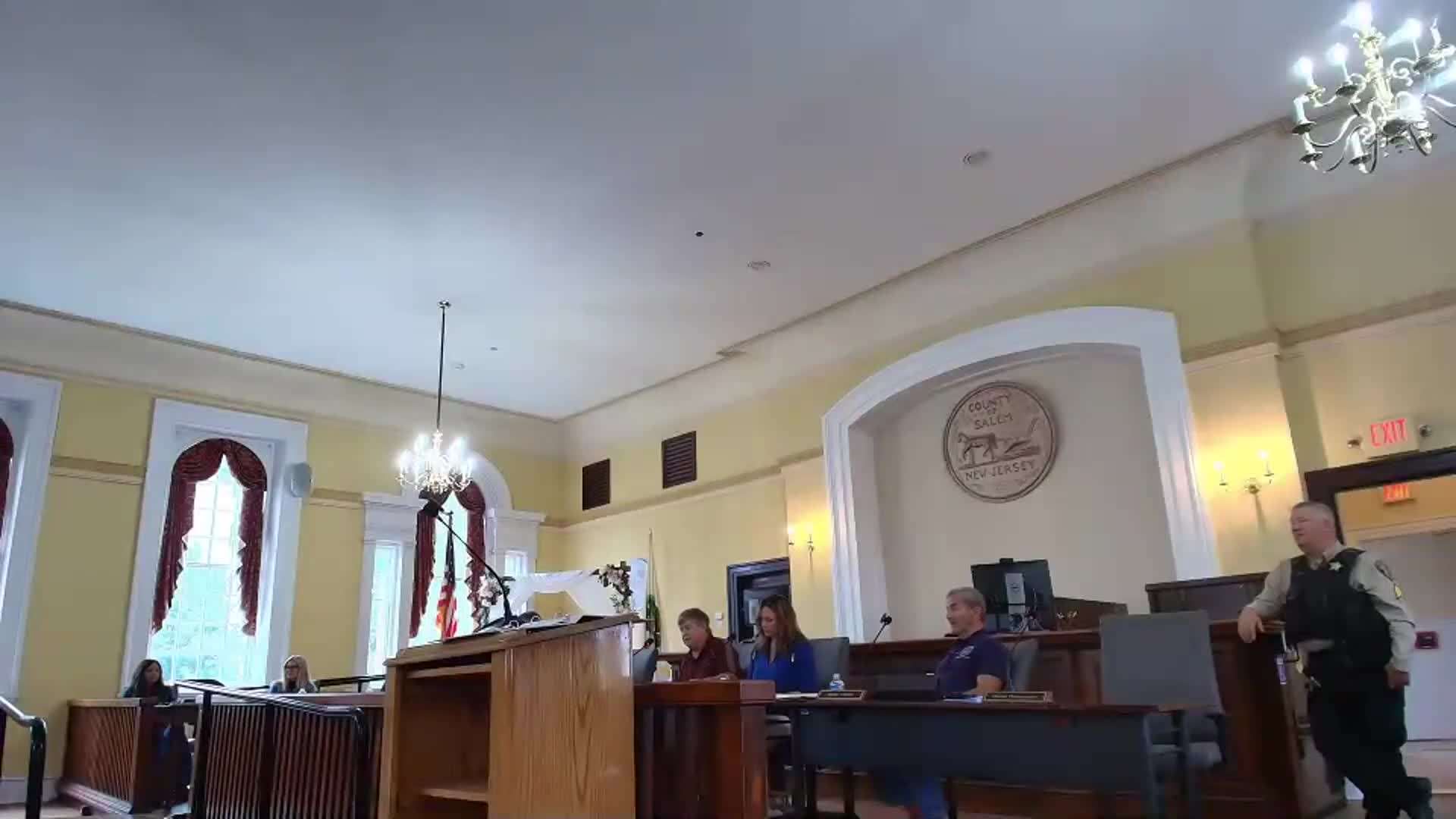
Summary
County officials proposed forming a shared municipal EMS group, assisting with a request for proposals and offering budget support after a local private ambulance provider struggled to maintain coverage for seven municipalities.
County officials proposed a shared‑services approach and said they will help seven municipalities publish a request for proposals to address gaps in ambulance coverage after a private vendor’s service faltered. The county offered facilitation, data from the 911 center and said it has set aside funds and is pursuing ambulance purchases to stabilize local emergency medical services.
The proposal matters because multiple municipalities reportedly were relying on a single private vendor and at times had only one ambulance available to cover several towns, creating response and coverage concerns. County staff said the goal is to organize a municipal coalition, solicit vendor proposals based on local 911 data, and give each town a seat at the table to choose a provider.
County officials leading the meeting described steps already taken: publishing a request for information to solicit interest from potential vendors; collecting proposals from at least two respondents (American Legion Ambulance Association and EMSS were cited); and offering analytic support from the county 911 center to evaluate proposals. Officials also said the county has made funds available to purchase ambulances and is exploring options to lease them to vendors or accounts that need trucks to remain in service. Officials noted an earlier offer of about $1.2 million from county budget resources and a separate $350,000 earmark from a state senator for ambulance purchases.
Participants raised practical and legal questions about whether a formally organized municipal shared‑services entity could assume billing or coverage responsibilities that private nonprofits currently perform, and whether the group would be permitted to bill for services. County staff said those legal and formation questions remain open and will be addressed as part of the next steps. Staff also emphasized that any vendor the municipalities choose would be the entity licensed to bill Medicare and other insurers, because the vendor must hold the appropriate provider numbers and licenses.
The meeting included discussion of mutual aid and how existing mutual aid arrangements can both fill gaps and complicate local billing and cost allocation. Attendees asked whether a shared‑services coalition could recoup shortfalls from nonparticipating towns; county staff said the coalition’s legal status would determine what it can bill or require. County staff said they will help draft a formal RFP and bring municipalities together to select a vendor, but that the county does not intend to run day‑to‑day ambulance operations.
As a next step, attendees agreed to form a working group of municipal representatives to continue drafting the shared‑services structure and the RFP. The meeting ended after a motion to adjourn.