
School board approves $150 monthly increase for district employee housing after heated debate
Get AI-powered insights, summaries, and transcripts
Subscribe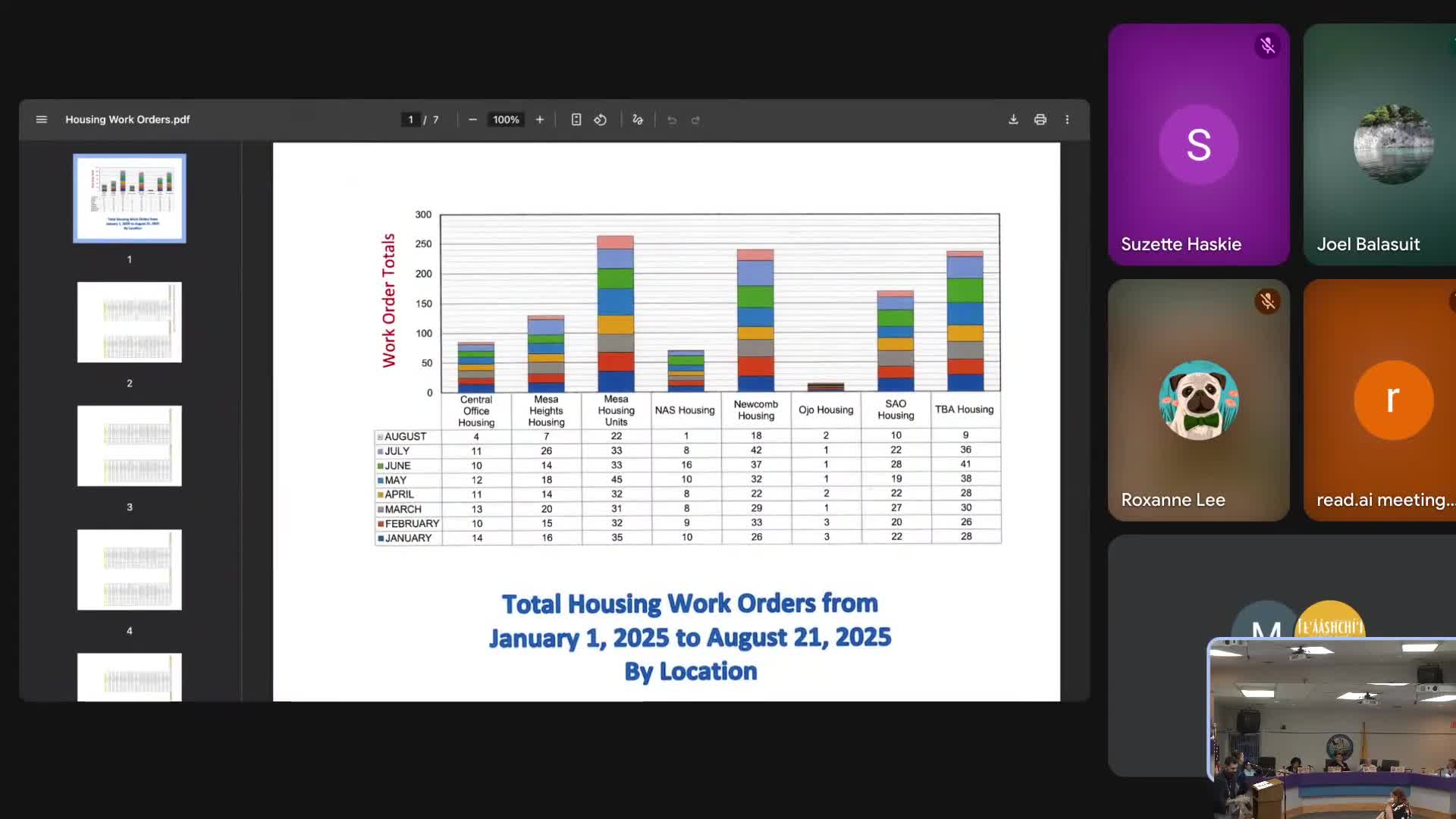
Summary
The Central Consolidated School District board approved a $150 monthly rent increase for district-owned staff housing following testimony about rising maintenance costs and a backlog of repairs; board members and tenants clashed over timing, notice and alternatives.
The Central Consolidated School District Board of Education voted to raise monthly rent on district-owned employee housing by $150, the board decided after more than two hours of discussion and public comment. The district said the increase will be implemented with the 30-day notice required under the lease and that additional communications explaining how the money will be used will be sent to tenants.
Superintendent Carlson told the board and the public that the district is facing growing maintenance and repair costs. “We’re losing a bunch of money here, because we’re having to revamp a lot of the housing we do have,” Carlson said during the meeting, summarizing district staff estimates of immediate needs.
Operations director Rodney Armenta presented maintenance workload data to the board, saying, “Since January to August 21, we had 1,207 work orders come in for the housing throughout the district.” Armenta and finance staff told the board that major immediate projects identified by maintenance total roughly $1.11 million; administration said current rent revenues do not cover the backlog of repairs and that contracting outside vendors for major work is costly.
Board members split over the measure. Opponents called for more time to notify and consult tenants and asked the administration to return with a more detailed cost and prioritization plan; supporters said the district had to act to reduce escalating contractor costs and create at least one dedicated maintenance position for housing. Administration said the $150 increase would generate additional recurring revenue that would be used to hire at least one skilled maintenance position dedicated to housing repairs and to reduce reliance on third-party contractors.
Board counsel confirmed the district will follow lease terms and open-meetings requirements for the change. The board directed the administration to draft and send the 30-day notice and to include a plain-language explanation of how the additional rent will be spent, and to return with a more detailed condition assessment and revenue/expense breakdown at the next regular meeting.
The decision followed public remarks and questions from staff and board members about alternatives including grants, PSFA matching, and other long-term strategies. Administration said it was pursuing longer-term options (including exploring grants and new housing models) but that those avenues would take substantially more time than the district’s immediate repair needs.
What happens next: the administration will send formal notice to tenants, post updated housing policy language and a detailed breakdown of current housing income and expenses, and return to the board with a prioritized list of repairs and condition grades for each district-owned unit.