Get Full Government Meeting Transcripts, Videos, & Alerts Forever!
Get email alerts on the Wastewater Grease FOG topic
No spam. Unsubscribe anytime.
Peoria urges residents, restaurants to keep fats, oils and grease out of sewers
Summary
City of Peoria environmental compliance inspector warns that household and commercial FOG (fats, oils and grease) clogs sewer pipes, risks backups and increases wear at the wastewater plant; city code requires food-service establishments to install and maintain grease traps or interceptors, with pumping at least every 90 days.
Tony Hernandez, an environmental compliance inspector for the City of Peoria, warned that pouring fats, oils and grease — known as FOG — down household or business drains can clog sewer pipes, back up wastewater into homes and streets and put extra wear on wastewater-treatment equipment. “Fats, oils, and grease, also we call it FOG for short. You pour it down the drain, it doesn't just disappear. It kinda lingers, it stays behind,” Hernandez said.
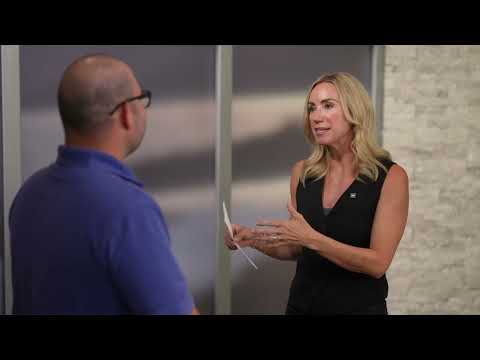
The warning came during a public information segment in which a television host and Hernandez discussed disposal practices and city requirements. Hernandez said FOG can adhere to sewer pipes, solidify and lead to blockages that create public-health hazards and expensive property damage. “It can back up into people's homes, into businesses, into our streets. That eventually, it's not good. It causes a public health hazard. It's very expensive to clean up,” he said. Hernandez also said grease that reaches the wastewater treatment plant increases wear on equipment and complicates treatment processes used to reclaim water.
The practical advice he offered: let grease cool and solidify, collect it in a heat‑resistant can and toss it with regular trash on collection day, or freeze spoiled milk and dispose of the solidified container on trash day rather than pouring it down the drain. He advised wiping pots and pans with a paper towel before washing and using a sink strainer instead of relying on a garbage disposal for food waste. “Another good tip ... get a paper towel or some napkins. Try to wipe them clean, get all that excess grease and oil off there, throw it in the trash, and then wash them,” Hernandez said.
Hernandez described the City of Peoria's FOG program for food-service establishments: city code requires restaurants and other food sellers to install a grease trap or interceptor to catch FOG before it reaches the sewer. He said the city requires that interceptors and traps be pumped at least every 90 days and maintained by the owner or operator; inspectors will visit periodically and the city's approach favors education and business assistance. “The city requires that every at minimum, every 90 days, interceptors get pumped out ... We try to take more of an educational approach, a more business friendly approach,” Hernandez said. City staff provide pamphlets and kitchen signage to help operators comply.
The segment stressed prevention steps for homeowners and commercial operators and repeated the city guidance that pouring fats, oils and grease down drains is a common but avoidable cause of sewer blockages. The television host noted the tip about milk: “That's actually a really big culprit to this problem,” the host said during the segment.
No formal action or ordinance change was announced during the segment; Hernandez described existing city code and ongoing inspection and education activity.