
Delafield plan panel approves metal noise enclosure for Commodore; south-fence remedy deferred
Get AI-powered insights, summaries, and transcripts
Subscribe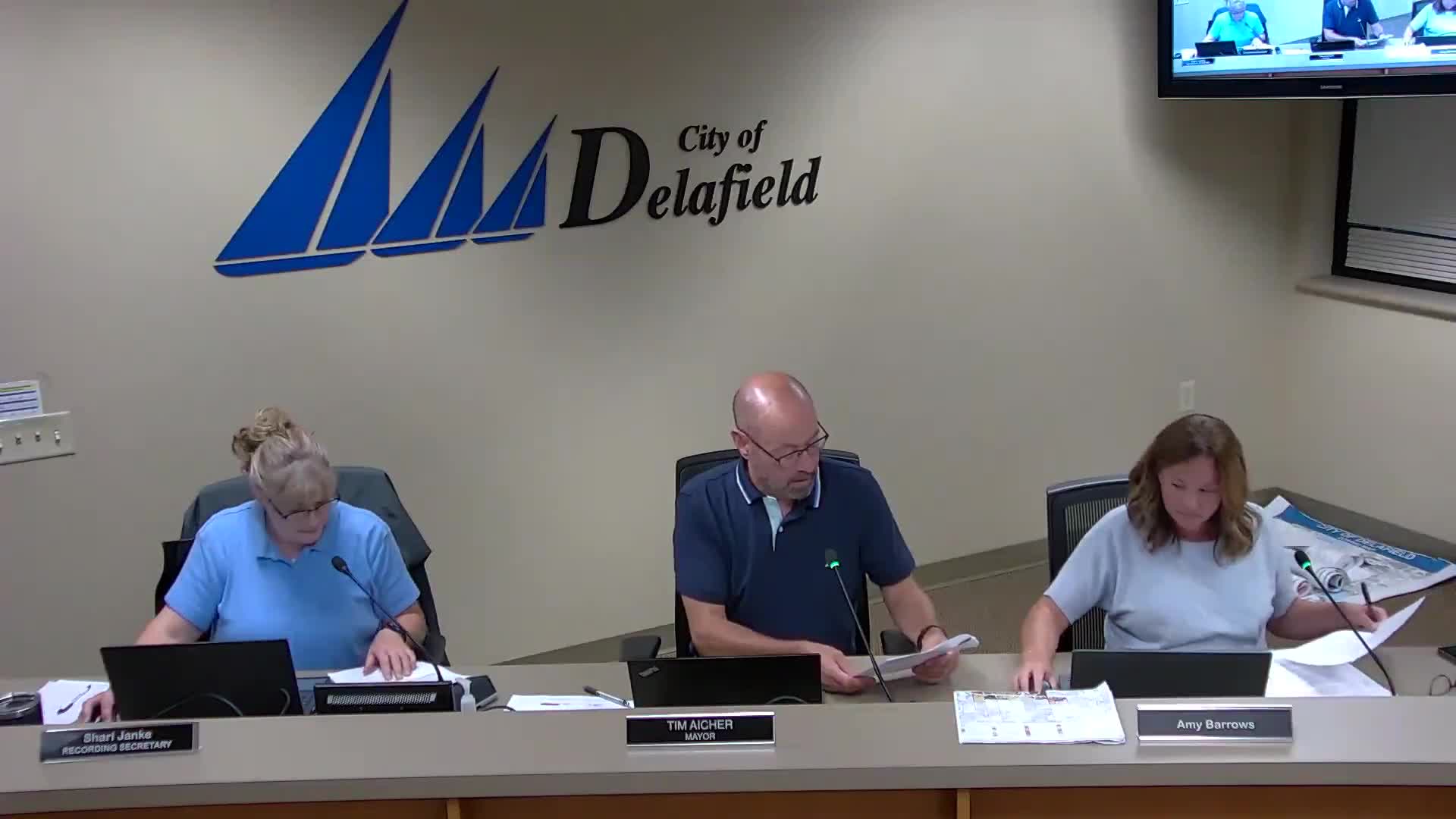
Summary
Plan commissioners approved a metal sound‑dampening enclosure for rooftop mechanical equipment at the Commodore restaurant to reduce noise for nearby homes and deferred action on a disputed south‑lot fence to allow applicants and neighbors more time to develop a mitigation plan.
Plan Commission members on July 30 approved installation of a metal sound‑dampening enclosure around rooftop mechanical equipment at the Commodore restaurant and deferred a final decision on a separate south‑lot fence after residents said the existing screening does not stop headlights and sightlines into homes.
The commission approved a motion to allow metal panels and internal sound‑absorbing material to be installed around the rooftop DOAS (dedicated outdoor air system) unit on the north side of the building, with staff to work with the applicant on color and details. The same motion directed the applicant and staff to return next month with a study of options for the south‑lot fence.
The vote followed public comment and an extended applicant presentation about competing design options. Amy Barrows, the city planner, said the project team presented three main enclosure approaches and that the metal panels “would be our preferred direction” because they are “tight to the building, which allows the least amount of noise to escape and bounce around.” Peter Damsgaard of Growth Design Group, the applicant’s designer, explained that the panels would be powder‑coated and contain an engineered sound‑absorbing core.
Neighbors urged faster and stronger remedies. Pat Sorek, who lives at 1711 Nagawicka Road, asked commissioners to “deny approval for the fence on the south side of the lot line of the Commodore parking lot,” saying the current barrier “does not fix the issue of headlights coming into our home every night.” Sue McVey (transcript shows both McVey/McVay spellings), another nearby resident, said she has pursued the issue for two years and that interim measures have not solved the problem.
Applicant representatives said they have tried multiple remedies. Keith Trafton of Bar La Restaurants, who represents the restaurant operator, told commissioners the owners have planted trees and taken other steps, but that space and existing stormwater/drainage features limit where large evergreens can be placed. Damsgaard said the enclosure must meet manufacturer guidance and is typically built 2–3 feet above the equipment to be effective; the proposed enclosures run roughly 12 feet above the roof because the unit itself is about 9 feet tall.
Commission discussion focused on two issues: (1) the rooftop unit’s noise and whether an enclosure mounted close to the unit will materially reduce sound, and (2) whether a taller fence or additional plantings along the Commodore’s south lot line could and should be required now. Commissioners and staff agreed the sound enclosure should proceed because it addresses the immediate noise source; the fence question was sent back with a request for more analysis, sight‑line studies and a recommendation on height and extent the neighbors and applicant can accept.
The commission also instructed the applicant to coordinate closely with city staff and to return at the August 27 meeting (or sooner by agreement) with cross sections, sight‑line drawings and proposed fence/planting options that show the expected reduction in headlight glare and visibility into adjacent homes.
What happens next: The metal noise enclosure installation was approved and can proceed under the conditions discussed; the separate south‑lot fencing and overflow‑parking screening will return to the commission after the applicant submits the requested studies and proposed remedies.
Community members and the applicant were advised that the commission prefers solutions that combine screening, planting and, where necessary, increased fence height, but commissioners said they want concrete cross sections and a plan showing how the proposal will reduce lights and line‑of‑sight into living areas before ordering a permanent change to the existing fence.