Get Full Government Meeting Transcripts, Videos, & Alerts Forever!
Get email alerts on the Consumer Protection 93a topic
No spam. Unsubscribe anytime.
Appeals court hears challenge to Chapter 93A verdict in home-construction dispute
Summary
The Appeals Court heard argument in a construction-dispute appeal over whether a Chapter 93A verdict can stand when a jury found an unfair or deceptive act but rejected a separate finding of "knowing and willful" conduct that can trigger doubled or trebled damages.
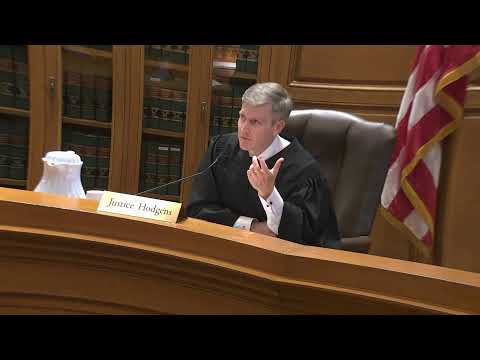
The Appeals Court heard argument in Charles Taylor v. New Heights Builders about whether a jury verdict finding an ‘‘unfair or deceptive’’ act under G.L. c. 93A can stand where the jury declined to find the conduct was ‘‘knowing and willful’’ and the appellant contends the underlying nondisclosure theory requires a knowing-and-willful finding.
Why it matters: the case tests the interplay between common-law misrepresentation or nondisclosure claims, Chapter 93A liability, and the separate ‘‘knowing and willful’’ showing that can support doubled or trebled damages under the statute.
Appellant counsel Kyle Viera argued the only plausible theory supporting the 93A verdict in the record was nondisclosure (failure to tell buyers that engineered plans changed some framing dimensions), and that the SJC’s line of decisions requires nondisclosure-based 93A claims to be knowing and willful; because the jury specifically checked ‘‘no’’ to the willful/knowing question on the verdict slip, Viera argued the 93A finding should not stand.
Appellees’ counsel Marie Chung Treslow responded that the jury’s finding that the builder committed an unfair or deceptive act is a standalone basis for liability under Chapter 93A and that the ‘‘knowing and willful’’ question on the verdict slip was properly reserved to the judge for purposes of deciding whether to award doubled or trebled damages. She told the panel the jury could reasonably conclude the builder delivered a substandard, ‘‘bouncy’’ floor performance and then failed to finish repairs despite promising to do so — conduct the jury could deem unfair and deceptive without concluding it was willful.
The panel questioned counsel about whether the alleged framing change (joist spacing, 12 inches versus 16 inches on center) was material, whether an ordinary buyer would have relied on that technical change, and whether the engineering and contractor practices at issue made disclosure a per se Chapter 93A violation. Counsel debated whether requiring notice of every minor post-design change would materially expand Chapter 93A liability.
The court took the matter under advisement and will address whether the verdict and jury answers are legally consistent and whether any re-trial or remittitur is required.