Get Full Government Meeting Transcripts, Videos, & Alerts Forever!
Get email alerts on the Probation And Sentencing topic
No spam. Unsubscribe anytime.
Appeals court hears challenge to judge’s early termination of restitution and probation
Summary
The Commonwealth urged reversal after a motion judge terminated probation and vacated restitution in a trust-fraud case; the Commonwealth argued the judge exceeded authority and misapplied Commonwealth v. Henry and Rule 29 limits on revising sentences.
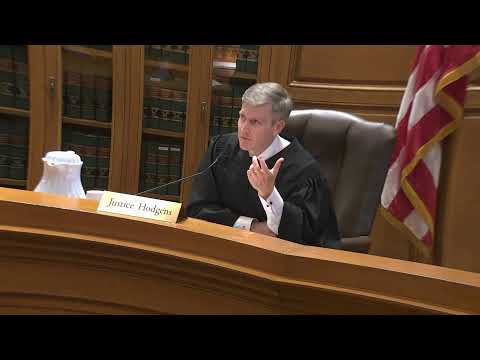
The Appeals Court heard argument in Commonwealth v. Maderos about whether a motion judge lawfully terminated a long probationary sentence and vacated a restitution order for a bookkeeper convicted of stealing more than $1.4 million.
Why it matters: the case raises whether trial judges may materially reduce or terminate probation many years after sentence and whether the SJC’s decision in Commonwealth v. Henry (and related cases such as Goodwin and Rule 29) limit that authority.
Assistant District Attorney Bridal Rolfe told the panel that the sentencing order and probation conditions imposed after a guilty plea and prison term were lawful and that a later motion judge exceeded authority by effectively cutting the probation in half and vacating restitution. Rolfe argued Goodwin and Rule 29 constrain a court’s ability to materially revise a sentence beyond the statutory windows and that Henry addresses only inability-to-pay contexts, not routine early-termination of a lawfully imposed long probationary term.
Defense counsel Melissa Devore urged the court to affirm the judge’s exercise of discretion, saying the sentencing framework contemplates judges may modify probation conditions over time and pointing to case law and superior-court best practices recognizing early-termination motions for probationers who have performed well. Devore also argued the modification hearing included additional record evidence supporting the judge’s discretionary decision.
Attorneys and the panel debated retroactivity: Henry postdated the sentencing here, and the justices asked whether Henry, as new law, can be applied retroactively on collateral review. Counsel acknowledged the parties framed that issue and that the motion judge expressly relied on Henry among other factors; the Commonwealth urged the panel not to decide retroactivity because it was unnecessary if Henry simply did not authorize the termination here.
The court took argument under advisement and did not announce a disposition.
Next steps: the panel will issue a written opinion addressing whether the motion judge abused discretion or exceeded authority in terminating probation and vacating restitution.